







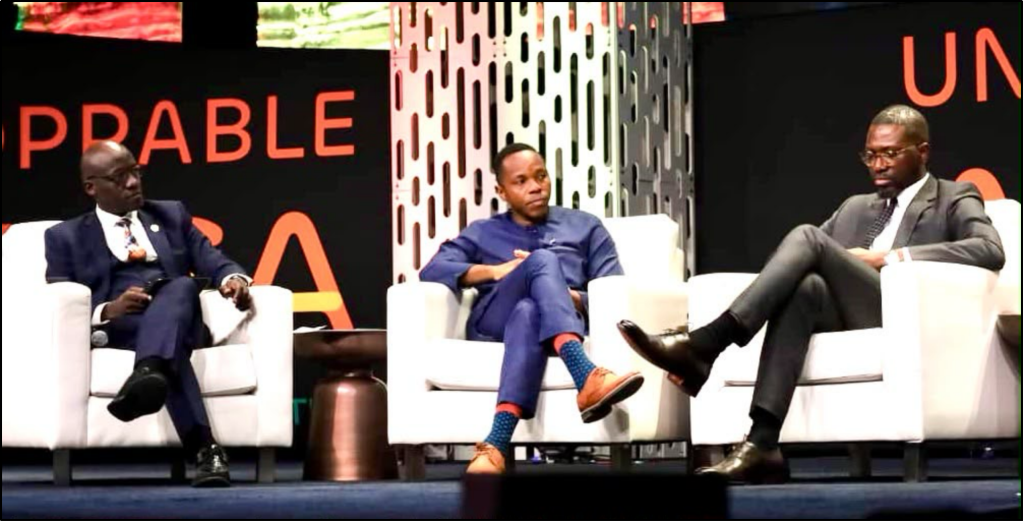
Sierra Leone’s Chief Minister, Dr David Moinina Sengeh, outlined his country’s vision for greater ownership of artificial intelligence (AI), data, and digital infrastructure at the Global Africa Business Initiative’s Unstoppable Africa 2026 platform in New York. Speaking on September 21 during the 81st session of the United Nations General Assembly, he urged African nations to transition from merely consuming foreign technologies to creating and co-owning them, which will be crucial for the Fourth Industrial Revolution.
Dr Sengeh highlighted Sierra Leone’s “Country-as-AI-Lab” strategy, promoted by President Julius Maada Bio. This initiative aims to establish policy frameworks, innovation hubs, and strategic partnerships to develop AI solutions that enhance government decision-making and public service delivery. He pointed to potential benefits in education, agriculture, and other public services where locally developed AI could foster better outcomes, increased inclusion, and economic opportunities.
“This is part of our Big Five Game Changers agenda – Pillar Four, focusing on Technology and Infrastructure,” emphasised Dr Sengeh. He added that the government aims to create a more robust digital ecosystem in Sierra Leone, encouraging technological innovation and making digital infrastructure a key driver of national progress. He praised Communications, Technology, and Innovation Minister Salima Bah for her work on “Data Embassies” and collaborative digital infrastructure projects, highlighting Sierra Leone’s role in global discussions on Digital Public Goods.
The Unstoppable Africa 2026 event gathered African and international leaders from government, business, and the UN to discuss trade, investment, and sustainable development. Dr Sengeh stressed that Sierra Leone’s involvement aims to forge practical partnerships and attract the necessary skills and investment to turn the country’s tech and AI ambitions into tangible benefits for its citizens. The strategy focuses on making technology and innovation essential for inclusive development and improving public services by fostering local participation and governance in digital system management.


