







If you’re seriously thinking about moving to Sierra Leone, or you’ve already accepted a job there and you’re trying to figure out what you’ve signed yourself up for, this is the article I wish someone had written for me. Not the diplomatic version. The actual version.
Sierra Leone doesn’t get much airtime in expat circles. It tends to get lumped in with a vague sense of “West Africa” that tells you almost nothing useful, and the little that does get written tends to be either catastrophically negative or suspiciously cheerful. Neither is honest.
What Nobody Tells You About Freetown Before You Arrive
The hills. That’s the thing people don’t mention. Freetown is built on them in a way that makes every journey feel like a puzzle, and the traffic that results from this geography is unlike anything I’d encountered before. You can spend forty-five minutes covering what looks on a map like a ten-minute drive. In the rainy season, parts of roads simply stop being roads. You learn quickly that time works differently here, not in a romantic, relaxed way, just in a genuinely structural way. Plan everything around it.
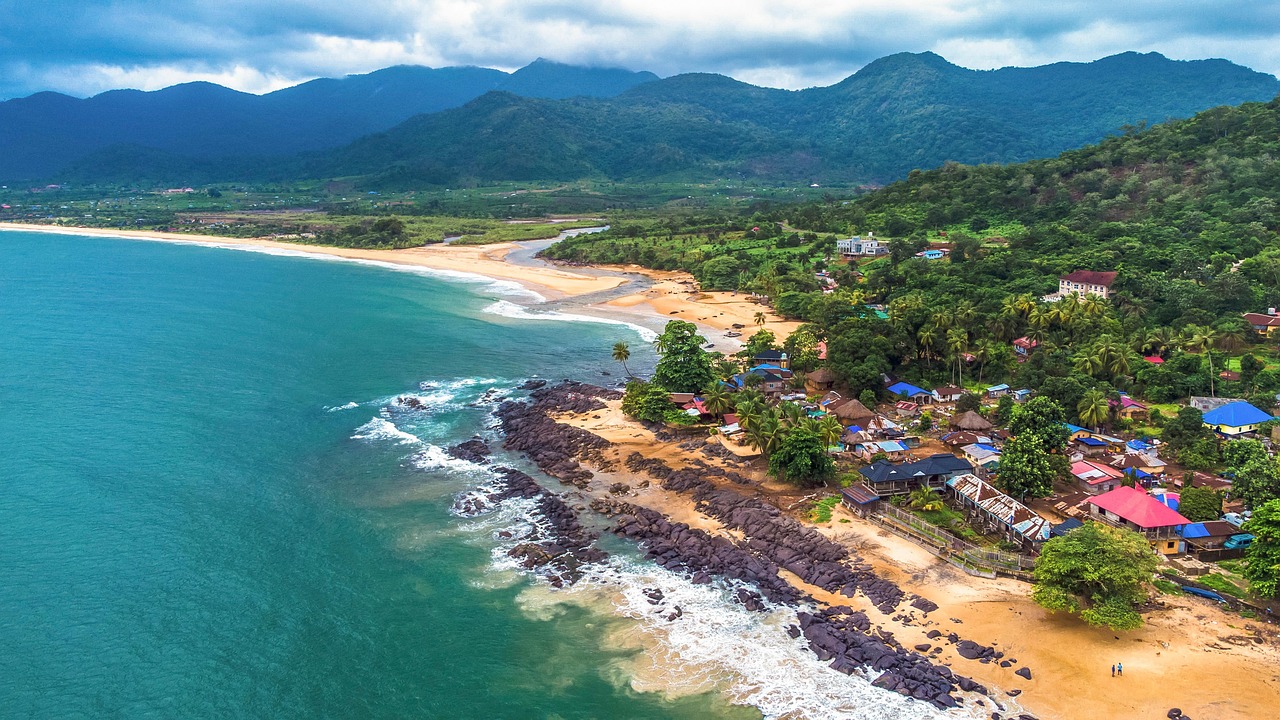
The city itself is loud, layered, and actually beautiful in places people don’t expect. The light in the late afternoon, coming off the water and through the mango trees, is something I still think about. The peninsula beaches are legitimately some of the best in the world, and I’ll stand behind that. But the beauty doesn’t cancel out the difficulty, and anyone who tells you it does hasn’t been here long enough.
The Infrastructure Reality
Let’s talk about power, because it’ll take up more of your mental energy than you’d expect. Electricity supply in Freetown is unreliable, and that’s me being diplomatic about it. Most expats and businesses run generators as a matter of course. You get used to the sound of them. You get used to checking whether your fridge has been on long enough before you trust what’s inside.
Water is a similar story. Running water from a tap isn’t something you can assume, particularly outside the capital. Most households in the expat community rely on tanks, deliveries, or both. It’s manageable once you’ve set up a system, but it does require setting up a system, which takes time and local knowledge that nobody arrives with.
Internet has actually improved considerably in recent years, and if you’re in a good part of Freetown with a decent provider, it’s workable. Mobile data through local SIM cards tends to be more reliable than fixed connections. Orange and Africell are the main ones worth looking at. Speeds are not what you’re used to if you’re coming from Europe, but they’re usable.
What It Actually Costs to Live There
This is where a lot of people get a surprise, and not always the one they expect. Sierra Leone is not cheap in the way people assume developing countries are cheap. Imported goods, particularly the kinds expats tend to want, carry heavy duties and logistical costs, so anything from electronics to decent wine to certain foods can cost more than you’d pay at home.
Local food, on the other hand, is another matter. Cassava leaf and rice from a street kitchen will cost you almost nothing and tastes like something a grandmother spent all morning making, because usually one did. The Lebanese community has brought good bread and some of the best shawarma I’ve ever eaten to Freetown, and I’m not going to apologise for how often I mention that.
If you’re on an expat package with housing included, the financial picture changes significantly. Housing is genuinely expensive in the parts of Freetown where most expats end up, places like Aberdeen and Hill Station. A decent house with a generator and a yard, which you’ll want, isn’t cheap. If you’re negotiating a relocation, make sure housing is part of the deal.
Healthcare, and Being Honest About It
This is the part where I’ll be blunt, because the stakes matter. Healthcare in Sierra Leone is limited, and that’s not a criticism of the people working within the system, many of whom are doing extraordinary things with very little. It’s just the reality you need to plan around.
For anything serious, medical evacuation to Dakar, Accra, or further is the standard response. Expats who stay for any length of time end up with a medical evacuation policy and a clear plan for what happens if something goes wrong. Don’t arrive without one. The International SOS clinic in Freetown handles a lot of expat healthcare and is worth registering with early.
Malaria is real and present. You’ll need prophylaxis, you’ll need to be diligent with it, and you’ll probably still get it at some point if you stay long enough. That sounds alarming but most people who catch it and get treated quickly are fine. The issue is recognising it fast, which is why having a reliable clinic relationship matters.
The Part Most Expat Guides Skip Entirely
Sierra Leone is a post-conflict society. The civil war ended in 2002, and there are people living and working around you for whom it’s not distant history. There are also the legacies of the 2014 to 2016 Ebola outbreak, which reshaped communities, health systems, and trust in ways that are still visible. The country has absorbed an enormous amount of grief and disruption within living memory, and that context shapes everything, from how institutions function to how people relate to outsiders.
This isn’t depressing context. It’s important context. The resilience and warmth you’ll encounter in daily life is real, and it makes more sense when you understand what it’s been built on top of. People here have reason to be guarded and they often aren’t. That generosity deserves to be recognised for what it is.
What Living There Actually Does to You
I should say this before I forget: most people who spend significant time in Sierra Leone end up with a complicated relationship to the place. Not complicated in a bad way. Complicated in the way that happens when somewhere gets under your skin.
The things that frustrated me most are also the things I miss most. The improvisation required when systems fail. The relationships you build because you have to actually rely on people. The way a good day in Freetown feels entirely unlike a good day anywhere else, partly because you’ve worked for it.
The expat community is smaller and tighter than in other West African capitals, which can be claustrophobic if you’re an introvert and genuinely sustaining if you’re not. Everyone knows everyone relatively quickly. That can be a comfort or a pressure depending on the week.
Should You Actually Go
If you’ve been offered an NGO or UN role and you’re wondering whether to take it, or you’re a development professional weighing up your options, or you’re simply curious about living somewhere that most people have never considered, then yes. Go. Sierra Leone is genuinely worth your time and your discomfort and your effort to understand it properly.
If you’re going expecting it to be easy, or expecting it to be a straightforward hardship posting you’ll tick off on your way somewhere more comfortable, it’ll frustrate you. It asks more of you than that.
The people and the landscape and the food and the beach at Tokeh on a quiet morning before anyone else has arrived will give you a great deal back. But you have to show up properly, not just geographically, but in terms of attention and patience and willingness to be wrong about things.


