







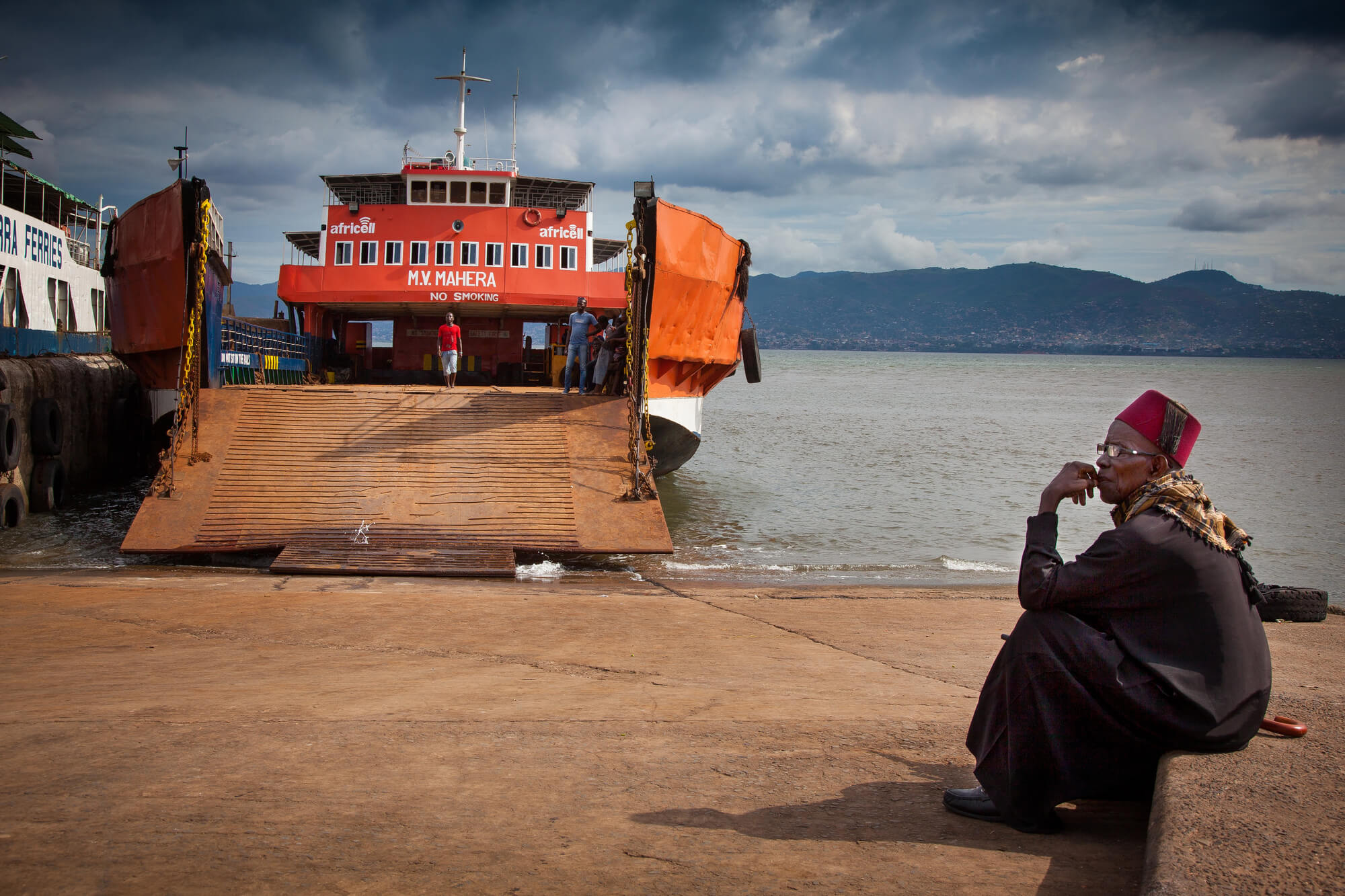
What Makes a Sierra Leonean a Sierra Leonean?
If you’ve ever spent real time in Sierra Leone, or grown up around Sierra Leoneans, you’ll know there’s something about them that’s hard to put into words but impossible to miss. It’s not just the accent, or the food, or the way a conversation can stretch three hours past when it was supposed to end. It’s something underneath all of that.
The Thing About “We Are One”
Sierra Leone’s national motto is Unity, Freedom, Justice. Fine words. Most countries have fine words. But Sierra Leoneans have a phrase they actually use: “We are one.” You’ll hear it in Freetown markets, in diaspora living rooms in South London, at funerals, at naming ceremonies, at football matches where someone’s just done something ridiculous with the ball.
It’s not a slogan. It’s a reflex.
The country has fifteen ethnic groups, each with its own language, customs, and history. The Temne, the Mende, the Limba, the Krio, the Fula, the Mandingo and more, all operating within a single national identity that somehow holds. Not without friction, not without history, but holds. That tolerance isn’t passive. It’s practised. Sierra Leoneans are genuinely curious about each other in a way that doesn’t feel performative. Ask someone from Bo about someone from Makeni and you’ll get a real answer, not a diplomatic one.
What the War Did, and Didn’t Do
You can’t talk about Sierra Leonean identity without talking about the civil war. Eleven years of it, from 1991 to 2002. A generation of people who grew up knowing nothing else.
What’s remarkable, and I say this having spoken to people who lived through it and lost people to it, is what didn’t break. The hospitality didn’t break. The sense of humour didn’t break. The impulse to look after whoever’s in front of you didn’t break. There’s a word in Krio, “kusheh,” a greeting that means roughly “how are you, and I genuinely want to know.” It survived.
Sierra Leoneans talk about the war. They don’t perform trauma for outsiders, but they don’t pretend it didn’t happen either. There’s an honesty in how it gets discussed, a willingness to say “that happened, and here we are,” that I’ve rarely seen handled with such dignity anywhere else.
The Witness to Truth Commission’s final report remains one of the most comprehensive post-conflict testimonies on record. Reading it tells you something about a country willing to look at the worst of itself and keep going.
Krio: Not Just a Language, a Way of Being
If you want to understand Sierra Leonean identity, learn a few words of Krio. Not because you’ll need them, most Sierra Leoneans will speak English to you, but because the language itself tells you something.
Krio developed out of contact between freed slaves, indigenous communities, and colonial settlers. It’s English-based but not English. It’s warm in a way English isn’t. Sentences are shorter but somehow carry more weight. “Ow di bodi?” (How is the body?) is a question about how you actually are, not a pleasantry. “I en go lie” (I won’t lie) precedes something the speaker means sincerely, which makes it a surprisingly effective signal.
The Krio community in Freetown, descendants of freed slaves who returned from Britain, Nova Scotia, and the Caribbean from the late 18th century onwards, have a cultural identity distinct enough to deserve its own article. But their influence on Sierra Leonean food, music, dress, and way of speaking has threaded through everything.
Walk through the east end of Freetown on a Sunday morning. The smell of konteh soup drifting from somewhere. The sound of gospel mixing with Afrobeats from a phone two streets away. The light at that hour is extraordinary, soft and thick and golden, and the streets that looked rough the night before look almost tender in it. That Sunday morning feeling is very specifically Sierra Leonean.
Food as a Form of Argument
Sierra Leoneans have strong opinions about food. Not in the foodie way where someone wants you to be impressed by them. In the way where someone genuinely believes their grandmother’s plasas is better than anyone else’s, and they can back it up.
Plasas is leafy greens cooked down with palm oil, onions, dried fish, and whatever else is going. It sounds simple. It isn’t. Every version is different and every cook will tell you theirs is the right one. I’ve had it with cassava leaves, with potato leaves, with a combination of both, in Freetown and in a flat in Peckham, and the argument about which is correct was still going when I left.
Jollof rice is technically contested across West Africa, but Sierra Leoneans aren’t particularly interested in the debate. They’ll make you a plate and let it speak. Akara (bean fritters) eaten hot from a roadside seller in the morning. Groundnut soup thick enough to stand a spoon in. Pepper soup that clears you out in a way that feels almost medicinal.
Food in Sierra Leone isn’t served, it’s offered. There’s a difference. Someone will physically put food in front of you and stand there until you eat enough that they’re satisfied. Refusing food is genuinely confusing to people. I didn’t understand this at first, and I got it wrong a few times before someone explained it to me properly: turning down food isn’t polite. It’s a small rejection of the person offering it.
Time, and How Sierra Leoneans Use It
I’ll say this plainly: Sierra Leonean time is not British time. An event starting at 3pm may well start at 5pm. This is not disorganisation. It’s a fundamentally different relationship with time, one where the quality of what happens matters more than when it starts.
This frustrated me once. Now it doesn’t. Because what I’ve noticed is that when a Sierra Leonean is present with you, they’re actually present. They’re not checking their phone every four minutes. They’re not half-thinking about the next thing. The conversation you’re having is the thing that’s happening. That’s not nothing.
There’s also something to be said for celebrations that don’t end when they’re supposed to. A wedding that runs until 4am. A naming ceremony where someone’s uncle starts playing music nobody planned and somehow it becomes the best part of the day. The schedule was a suggestion. The experience was real.
What Sierra Leoneans Think of Sierra Leone
This is the part that outsiders often misread.
Sierra Leoneans, especially those in the diaspora, can be fiercely critical of their country. The corruption, the infrastructure, the political failures, the things that should be better and aren’t. You’ll hear this from Sierra Leoneans before you’d ever hear it from a foreigner, and in more specific terms.
But there’s a line. Cross it and the room changes. Criticism from the inside is love. Criticism from the outside is something else entirely. This isn’t unique to Sierra Leone, but the version of it I’ve seen there is particularly sharp. The loyalty is real, it just doesn’t need to be performed.
The Sierra Leone diaspora sends billions of dollars home every year, more than foreign direct investment in many sectors. That’s not guilt. That’s obligation in the truest sense of the word: people taking care of their own because that’s what you do.
The Laughter
Sierra Leoneans laugh a lot. Not politely, not decoratively. Actually laugh. At themselves, at the situation, at whoever just said something that landed. The humour is quick and dry and sometimes requires you to know the context, but when you’re in on it, it’s one of the more joyful things I’ve experienced travelling.
There’s a particular kind of Sierra Leonean banter that sounds aggressive if you don’t know it and is actually affection. Someone insulting your outfit while clearly admiring it. Someone pretending not to remember your name while knowing it perfectly. It’s a test of sorts. If you can take it and give it back, you’re in.
So What Actually Makes a Sierra Leonean a Sierra Leonean?
It’s hospitality that doesn’t feel like a duty. It’s an ability to absorb serious difficulty without becoming hard. It’s loyalty so deep it looks like stubbornness from the outside. It’s the way food is used to show love, and the way disagreements still get aired at the dinner table. It’s a collective identity that didn’t get negotiated in a conference room but built slowly, painfully, and with a great deal of laughter, over centuries.
It’s the fact that after everything, someone will still ask you how your body is, and wait for the real answer.


