


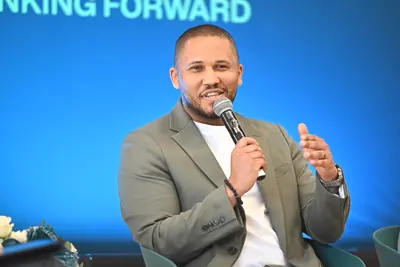
Academics, researchers, and education leaders will meet to discuss ways to promote equity and inclusivity in academic success. Notable speakers at the event include Dr Cristi Ford, Professor Crain Soudien, and Mychelle Pride, who will share insights on digital learning, the higher education landscape in South Africa, and how technology can foster equity.
Dr Ford, Chief Learning Officer at D2L, specialises in digital learning and holds a PhD in Educational Leadership from the University of Missouri, Columbia. Professor Soudien, Professor Emeritus at the University of Cape Town, brings years of experience in educational research. Pride, Director of Artificial Intelligence (Academic) at Arden University, works at the intersection of AI, education, and equity.
The conference will feature a student research symposium, exploring emerging research and innovative teaching strategies. Discussions will focus on creating inclusive learning environments that support students from diverse backgrounds in achieving their potential.
In South Africa, where inequality impacts educational opportunities, access is about more than just admission. Factors such as affordability, digital connectivity, academic support, career guidance, and industry exposure all affect students’ ability to succeed.
“Access, important as it is, cannot be mistaken for transformation,” says Dr Abrahams. “Opening the university door is only the beginning. The more challenging question is what happens once students are inside.”
Institutions are called to expand opportunities in a society where race, gender, class, and geography play significant roles. However, students bring varied languages, cultures, and educational backgrounds, which need to be acknowledged to avoid perpetuating barriers.
Private higher education institutions are helping to meet demand that public services cannot satisfy. Dr Abrahams argues that these institutions should also rethink education. Unique histories and structures offer a chance to question traditional practices and connect learning to societal needs.
“Transformation does not happen by accident,” he notes. “It requires institutions to intentionally create conditions for individual and collective change.” Collaboration among academics, researchers, students, and practitioners is essential for fostering environments where dialogue shapes knowledge.
This interactive approach allows students to explore ideas, challenge beliefs, and address complex problems. It encourages them to engage in critical thinking and reflection, becoming active contributors to their education.
“If we are serious about transforming higher education, we must create institutions where students actively experience, question, shape and apply their education,” emphasises Dr Abrahams.
Transformation is an ongoing process, not merely achieved through a single policy or demographic change. For Dr Abrahams, equity and transformation are interlinked, highlighting the need to consider what supports diverse students and the barriers they face.
This question must remain central to ensure that acceptance letters lead to genuine opportunities.
Education professionals, industry representatives, employers, and stakeholders are invited to join the conversation at the Emeris Third International Conference on Teaching and Learning.
Register before 21 October 2026 at conferences.iie.ac.za. In-person and online options are available.


