


Sierra Leone has established a National Committee for UNESCO’s Information for All Programme (IFAP), the Foreign Ministry announced during the 2026 International Day for Universal Access to Information celebrations. The new body aims to align the country’s policies with IFAP’s global priorities and share best practices within the international network.
Founded in 2001, the International Federation of Library Associations and Institutions (IFLA) promotes inclusive and equitable access to knowledge, focusing on six key areas: information for development, literacy, preservation, ethics, accessibility, and multilingualism. According to the IFAP Manual of Operations, national committees are crucial for adapting global goals into local strategies. The Sierra Leone committee is regarded as a significant step towards enhancing national involvement in IFAP and implementing its mission locally.
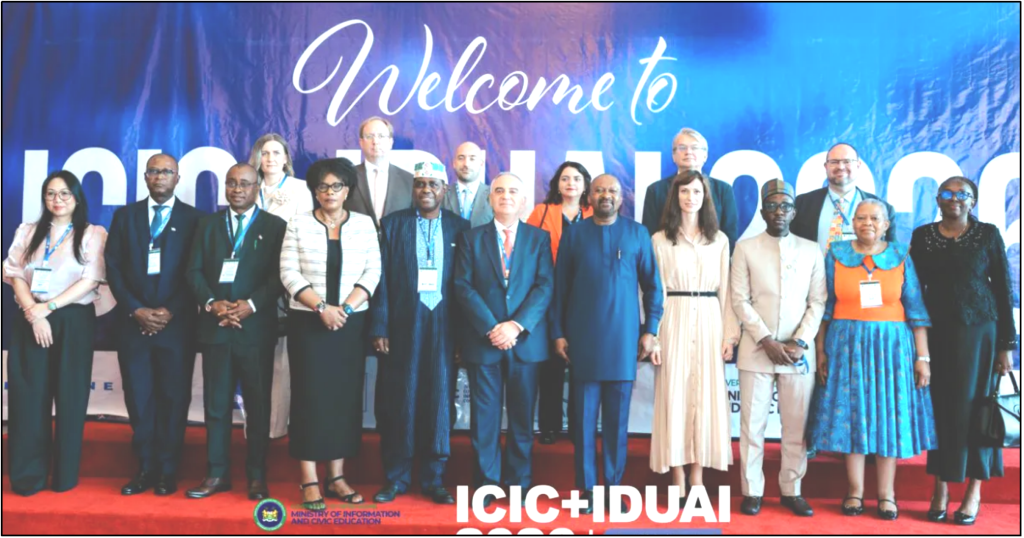
The committee was launched ahead of a major international conference in Freetown on 28 September 2026, co-hosted by UNESCO and the Sierra Leone government. The conference, themed ‘Upholding Information Integrity in the Digital Era: The Role of Access to Information in Addressing Information Disorder,’ drew delegates from 41 countries to address current challenges in information ecosystems. This event coincided with the global celebration of IDUAI, first established by UNESCO in 2015 and recognised by the United Nations General Assembly in 2019 to reinforce the right to seek, receive, and share information.
This year’s anniversary was particularly notable as it marked IFAP’s 25th anniversary. The milestone offered a chance to reflect on IFAP’s accomplishments and launch new regional initiatives to enhance its priorities amid a rapidly changing information landscape. The conference highlighted the importance of access to reliable information and integrity, especially as artificial intelligence and digital platforms reshape information creation, distribution, and consumption.
“These technological shifts demand information that is not only accessible but also accurate, timely, and trustworthy,” stated Guilherme Canela de Souza Godoi, Director of UNESCO’s Division for Digital Inclusion and IFAP Secretary. The conference addressed various topics, including proactive information disclosure, the dissemination of environmental data, and leveraging technology to bolster information systems. Discussions also covered emerging policies such as the African Union’s Data Access Guidelines.
Attendees emphasised that the conference’s success highlighted the need for ongoing collaboration among governments, independent bodies, and international partners to promote universal access to information. The establishment of the Sierra Leone National Committee is expected to enhance the country’s capacity to act on IFAP priorities and support regional efforts to create resilient and inclusive knowledge societies in the digital age.


