







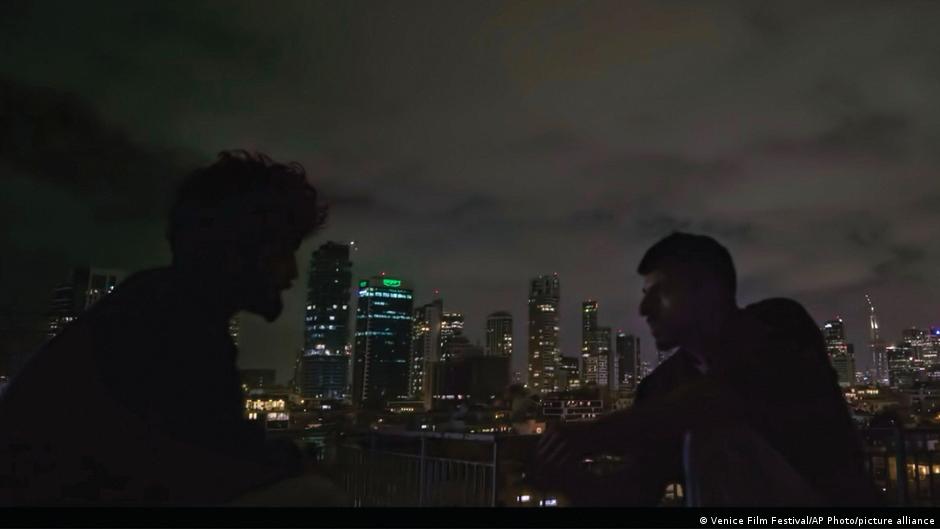
The documentary “NAZA,” which premiered at the Venice International Film Festival in mid-September, received a 25-minute standing ovation and the Special Jury Prize. However, it has sparked controversy in Israel, where Culture Minister Miki Zohar has called the filmmakers, Rachel Szor and Yuval Abraham, “traitors” and suggested they should lose their citizenship. Prime Minister Benjamin Netanyahu has also condemned the film.
The Israel Defense Forces (IDF) has dismissed the documentary’s claims about their conduct in Gaza, labelling it a “distorted, misleading and disingenuous picture.” They assert that the film contains significant factual inaccuracies and relies on “manipulative misrepresentations of reality.”
The 80-minute film includes interviews with 24 unnamed military and intelligence personnel who detail internal processes for selecting targets during the Gaza conflict. They allege that high civilian casualties were occasionally considered in target selection. In response, the IDF insists it never planned attacks anticipating civilian deaths and disputes accusations that artificial intelligence was used in target selection, stating that all targets were decided by people.
The military accuses the filmmakers of ignoring crucial details, including the involvement of legal advisors in attack reviews and measures taken to protect civilians. The film also allegedly overlooks Hamas’s attacks on Israel on 7 October, which resulted in over 1,200 deaths and 250 hostages.
Various human rights organisations and a UN commission have accused Israel of genocide in Gaza, with reports indicating at least 74,000 Palestinian fatalities since the war began.
Speaking at the Venice awards ceremony, co-director Yuval Abraham highlighted the importance of getting Israelis to watch the film, stating, “We believe that the denial of a crime is what helps it persist.”
Szor and Abraham are known for their previous work on “No Other Land,” which won an Oscar for Best Documentary Feature in 2025.
“NAZA,” meaning collateral damage in Hebrew, reflects the military term used to estimate civilian casualties in attacks. Human rights groups, including B’Tselem, have voiced their support for the filmmakers. Following its festival debut, the documentary is now being screened in cinemas worldwide.


