







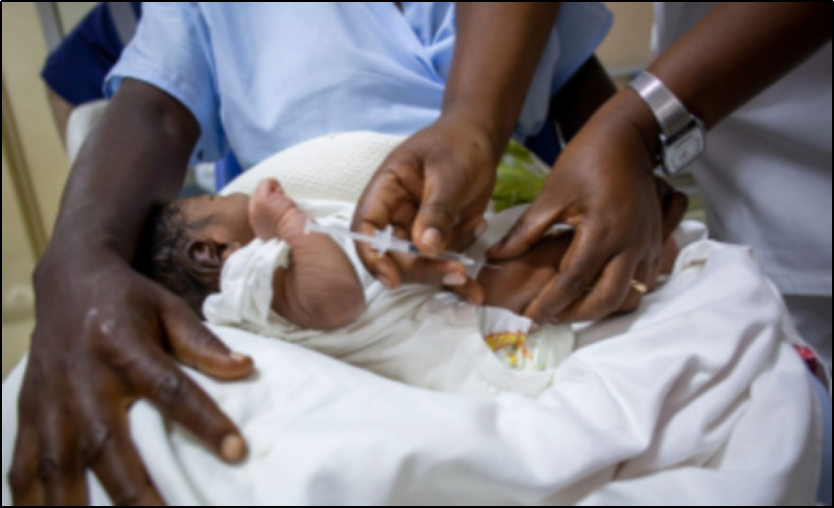
Sierra Leone is ramping up efforts to combat Hepatitis B, a viral infection that poses a significant long-term threat to children’s health. The country is now focusing on administering the Hepatitis B birth-dose vaccine at the moment of birth to protect newborns from infection, especially from mother to child. This vaccine has been effective for decades, and the goal is to ensure that every child has a healthy start.
Hepatitis B is a major public health concern, with Africa bearing a disproportionate share of the burden. Approximately 70 per cent of global infections occur on the continent, yet only 14 of the 47 African nations had incorporated a routine birth dose of the vaccine by 2021. In 2022, just 18 per cent of African infants received this vital vaccine at birth.
Infection during infancy significantly increases the likelihood of developing chronic Hepatitis B later in life, often with little indication of the ongoing damage to the liver.
The World Health Organisation recommends that newborns receive the Hepatitis B vaccine within the first 24 hours. Early vaccination is crucial to prevent potential infection during or shortly after birth. The Centres for Disease Control and Prevention in the United States also endorses the birth dose to ensure that no child misses out on this vital protection.
The Hepatitis B vaccine requires only a 0.5 ml dose at birth, with further doses following the standard immunisation schedule. A single dose offers around 95 per cent protection for at least a decade, while a complete three-dose series can provide near-total protection lasting up to 20 years or longer.
Sierra Leone aims to eliminate Hepatitis B infections in children under five by vaccinating at least 95 per cent of newborns. The vaccine will be delivered through existing health services in hospitals, administered by trained nurses, thus integrating Hepatitis B prevention into routine maternal and child healthcare.
The introduction of the birth-dose vaccine also opens avenues to enhance overall newborn health services. Health workers will educate mothers about Hepatitis B during pregnancy, fostering early discussions about the importance of vaccination right before childbirth.
Economically, the cost of the vaccine is small compared to the expenses associated with treating long-term complications of Hepatitis B. The Sierra Leonean government is investing around USD 59,512 to support vaccine access through proper storage and distribution systems, aimed at broadening availability across health facilities.
While the government is funding the vaccine independently, public awareness is crucial. Parents must understand its benefits, and community leaders should help convey accurate information about the vaccine’s safety and importance.
Each vaccination represents not just a number but a child whose future can be safeguarded against a preventable virus. The fight against Hepatitis B transcends mere vaccination efforts; it’s an investment in the health and well-being of Sierra Leone’s children and future generations.


