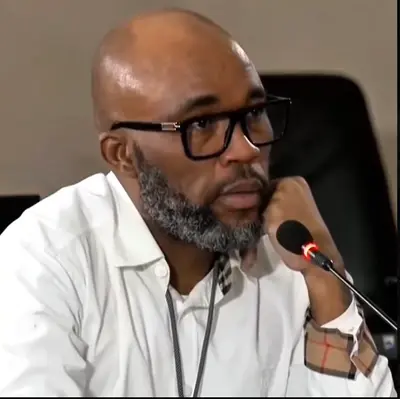


Retired Constitutional Court judge Mbuyiseli Madlanga has urged stronger measures to combat corruption, emphasising that the theft of public resources undermines constitutional rights. Speaking at the Oliver Tambo Memorial Lecture in Johannesburg on Friday, he called on courts and anti-corruption agencies to intensify their efforts.
Madlanga pointed out that while government officials often face scrutiny, private individuals and companies that facilitate corruption should not be overlooked. “It takes people outside of government and those within public office to have corrupt relationships,” he stated. He warned that honest businesses risk financial ruin or pressure to engage in corruption and highlighted the need for measures that reduce the financial benefits of corruption.
As chair of the commission investigating alleged corruption and political interference in the criminal justice system, Madlanga linked such failures to ongoing violence against women as betrayals of Tambo’s legacy. He stressed the detrimental impact of misappropriated public funds on the state’s ability to meet its obligations, especially leaving vulnerable South Africans exposed.
“Public resources are not there for one to amass personal wealth, and public power should not be abused for private gain,” he remarked. Madlanga differentiated between access to public resources and personal entitlement, emphasising that officeholders are custodians of these resources for future generations.
He cautioned that treating public office as a personal possession could damage the state’s democratic legitimacy. Madlanga recalled Tambo’s selfless leadership, citing how he sacrificed his legal career to support the ANC’s mission during a challenging time.
He also highlighted the pressing issue of gender-based violence and femicide, stating that such acts betray the core values of dignity and equality that the Constitution guarantees. While recognising advancements since 1994, Madlanga insisted these did not absolve the country of its ongoing constitutional duties.
In a subsequent discussion, he addressed the struggles women face within the justice system, noting how court processes can exacerbate their suffering. He called for judicial sensitivity to women’s rights and placed responsibility on judicial officers and those investigating violence.
Madlanga encouraged citizens to take action when witnessing abuse, asserting that everyone has a role in defending democracy. He acknowledged the discouragement stemming from corruption and weakened institutions but urged citizens not to withdraw from democratic life, as doing so could empower those misusing public resources.
“Protecting the freedoms we inherited requires us to actively participate,” he concluded. “We cannot abandon our constitutional inheritance, as that would mean yielding to those exploiting state resources and institutions.”