



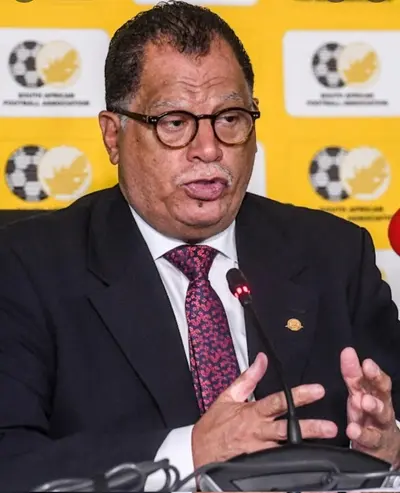
In the wake of Danny Jordaan’s re-election as president of the South African Football Association (Safa) for a fourth term, remarks by Tankiso Modipa have highlighted ongoing concerns about leadership renewal within the organisation. Modipa, a member of the national executive committee and chair of the Western Province, asserted that only candidates familiar with Safa’s internal structure should lead the association. He claimed that outsiders, like businessman Sandile Zungu, lack the necessary understanding, suggesting they must start at the local level if they wish to vie for leadership in the future.
Modipa’s statements raise important questions about why Safa lacks a credible succession plan, a critical element for any serious organisation. Succession planning ensures the transfer of institutional knowledge and the development of new leaders, preventing over-reliance on any single individual. Since taking the helm in 2013, Jordaan has indicated that this term would be his last, yet he was re-elected after support from the Football Transformation Forum (FTF). As he approaches the age of 79, the issue of future leadership cannot be ignored. However, Modipa’s comments suggest a preference for candidates deeply entrenched in existing structures, leaving little room for fresh ideas from external candidates.
This insider approach poses a challenge. Limiting potential leaders to those with a specific regional background diminishes diversity and adaptability, favouring loyalty over innovation. Consequently, Safa risks becoming resistant to scrutiny and slow to embrace change. Great potential leaders from diverse backgrounds may find themselves sidelined, unable to contribute their valuable expertise.
The implications extend beyond aesthetics; Safa has faced numerous governance issues, including financial transparency concerns and a lack of accountability. By prioritising cultural familiarity in leadership selection, many of these challenges are exacerbated. External talent bringing fresh perspectives and skills is often excluded, thus hindering meaningful improvements.
Modipa argues that a deep understanding of grassroots realities is crucial, and while this holds some truth, many successful sports organisations have successfully integrated leaders with both insider knowledge and broad experience. They foster inclusive environments for outsiders who engage with local structures while bringing new ideas to the table. In contrast, Safa’s approach seems to reinforce a culture where critique is dismissed as misunderstanding.
The missed opportunities for South African football are significant. The sport boasts abundant talent on and off the pitch, but the association’s rigid stance on leadership limits potential innovations. Many capable individuals are sidelined due to a stringent adherence to internal cultural norms rather than assessed on their professional merit.
While it is essential to maintain grassroots engagement, Safa must adopt a more inclusive and merit-based approach to leadership selection. This could involve recognising existing structures while also creating pathways for competent outsiders, fostering a wide range of leadership options. Without such changes, Safa risks prioritising the status quo over securing the most effective leadership for the sport’s future. Modipa’s remarks underline the pressing need for meaningful succession planning, reflecting a deeper concern that the association may be more invested in its existing culture than in the future needs of South African football.