


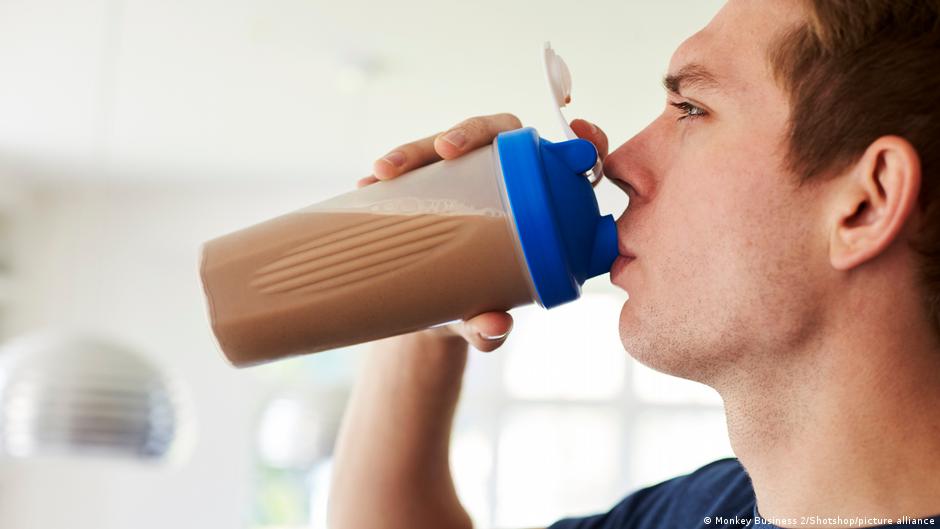
Protein-rich products, such as powdered drinks and snack bars, are increasingly popular among teenagers in Germany. A survey conducted by the University of Michigan in 2024 revealed that nearly half of parents reported their children aged 13 to 17 had consumed protein products over the previous year. Boys primarily used them for sports and muscle building, while girls opted for these products to balance their diet and aid weight loss.
The fitness protein product market in Germany is booming, with retail revenue projected to rise by 25% between March 2024 and March 2025, according to Statista.
So, how much protein do we actually need? Proteins are essential for tissue repair in muscles, skin, and organs, and they support enzyme formation and immune functions. The German Nutrition Society (DGE) recommends that healthy adults consume 0.8 grams of protein per kilogram of body weight daily. For instance, a woman weighing 65 kilos should aim for 52 grams of protein each day. However, these needs can be met through a balanced diet without special supplements.
Young people require slightly more protein—0.9 grams per kilogram of body weight—as they continue to grow. A 45-kilo teenager should thus consume approximately 40.5 grams per day. Studies suggest children and adolescents in Germany are often exceeding this recommendation, with many consuming double the advised amount.
Excessive protein intake, particularly from animal sources, can lead to health issues such as obesity and potentially early puberty. Overconsumption can also strain the kidneys, especially if fluid intake is inadequate, and adolescents face higher risks.
For physically active individuals, protein needs rise. According to the DGE, those engaging in over five hours of training a week should consume between 1.2 to 2 grams of protein per kilogram of body weight to support muscle maintenance and recovery. Moreover, a protein-rich diet is known to help with weight management, yet overall calorie control remains crucial.
When comparing protein sources, plant proteins are generally lower in essential amino acids than animal proteins, which the body cannot produce on its own. However, plant-based foods like whole grains, pulses, and nuts offer additional health benefits including fibre and vitamins.
Critics of protein products highlight that many are fortified with unnecessary sweeteners, sugars, and additives. The German Sports University in Cologne even found some protein products contained undeclared doping substances. Adolescents might also face skin issues like acne from protein powders, often made from milk proteins, although definitive links are not established.
Experts worry that protein shakes could displace regular meals, leading to inadequate fibre and nutrient intake. Protein-enriched items can also be costly, with consumer studies in 2022 showing that foods naturally high in protein, like cheese and soy drinks, are often more expensive when their protein content is marketed.
The DGE suggests that even athletes with high protein needs can meet their requirements through diet rather than supplements, except in cases of allergies or eating difficulties.
This article has been translated from German.


