







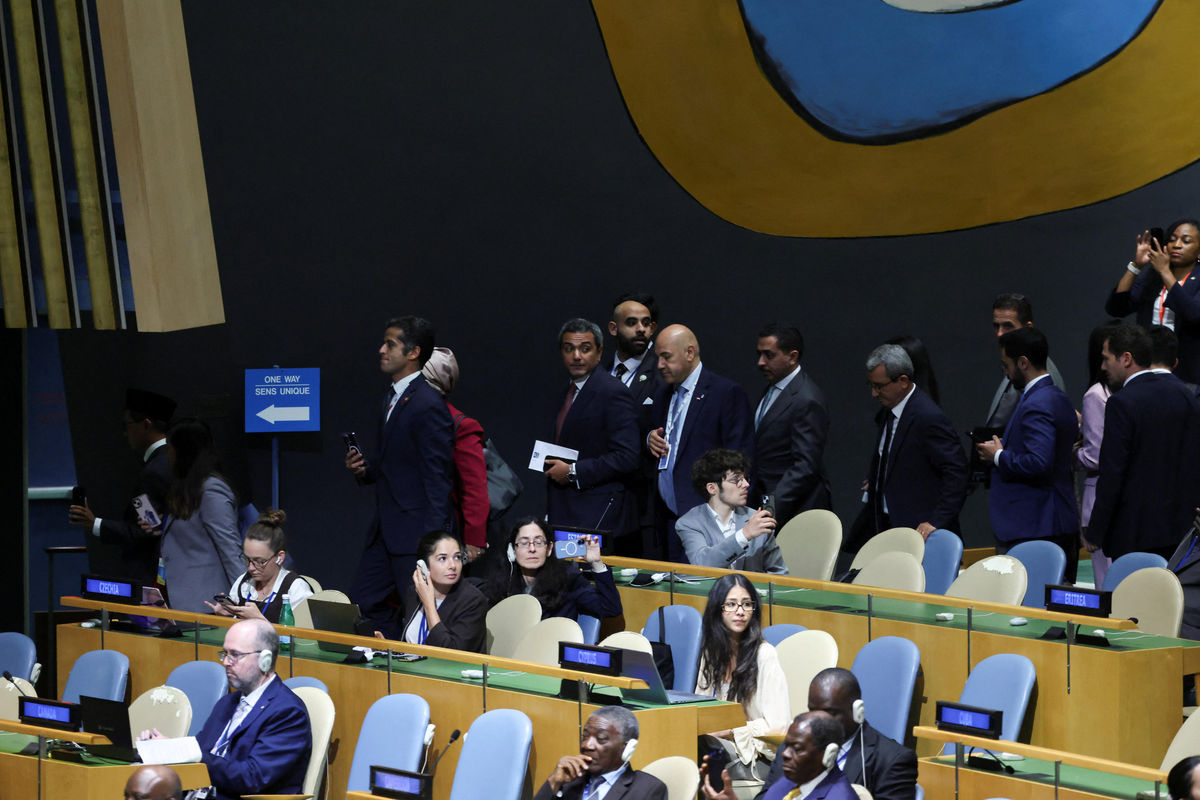
The 81st United Nations General Assembly (UNGA 81) highlights a growing discord within the international system. While representatives from 193 member states converge to discuss peace, sovereignty and justice, their differing interpretations often mask underlying disagreements. Terms like sovereignty may be championed as protection from foreign interference by one speaker, while another might use it to justify national interests.
Powerful nations further complicate matters with their contrasting views on the international order. The United States prioritises national strength and alliances, China’s focus is on sovereign equality and non-interference, while Russia advocates multipolarity. European leaders stress accountability and institutional rules. While these positions can coexist, they stem from diverse assumptions about governance and enforcement, particularly when national interests clash.
UN Secretary-General António Guterres, during the opening debate, warned of major fractures in the international system. He pinpointed tests of power such as war, inequality, climate change, and artificial intelligence, questioning whether power will be exercised lawfully or beyond it. The challenge lies not in the absence of principles but in differing views on when those principles are upheld against power.
The repercussions extend beyond diplomatic nuances. The Uppsala Conflict Data Program reported 65 state-involved armed conflicts in 2025, the highest since records began in 1946, resulting in around 244,600 violent deaths. Military expenditures reached a staggering £2.3 trillion, illustrating a global inclination towards confrontation rather than compromise.
While discussions around UN reform continue, it’s too simplistic to blame the UN for these issues. With 193 member states holding competing interests and often opposing views, achieving consensus was never straightforward. The UN’s effectiveness hinges on its members’ willingness to collaborate.
For Africa, this moment calls for proactive engagement rather than mere commentary. African leaders have consistently raised critical issues such as Security Council reform, debt, climate finance, and development. With increasing global interest in Africa’s resources and markets, the continent must present unified negotiating positions to translate options into influence.
Coordination within Africa does not necessitate identical foreign policies, but a clearer vision on collective objectives is essential. Key questions include the financing reforms that could enhance development and principles guiding artificial intelligence to ensure Africa benefits fairly.
Despite the diplomatic language, underlying tensions remain, impacting the lives of ordinary people through conflict, displacement, and rising living costs. The consequences of discord in New York resonate globally.
As UNGA 81 concludes, a successful outcome may not be as noise-filled as expected. Achievements might include opening diplomatic channels or easing tensions, without necessarily culminating in treaties or public announcements. Ultimately, averting a complete breakdown of dialogue may itself constitute a significant victory, highlighting the importance of continued negotiation in the quest for harmony among nations.




