Tanzania Addresses Land Rights at UN Review in Geneva
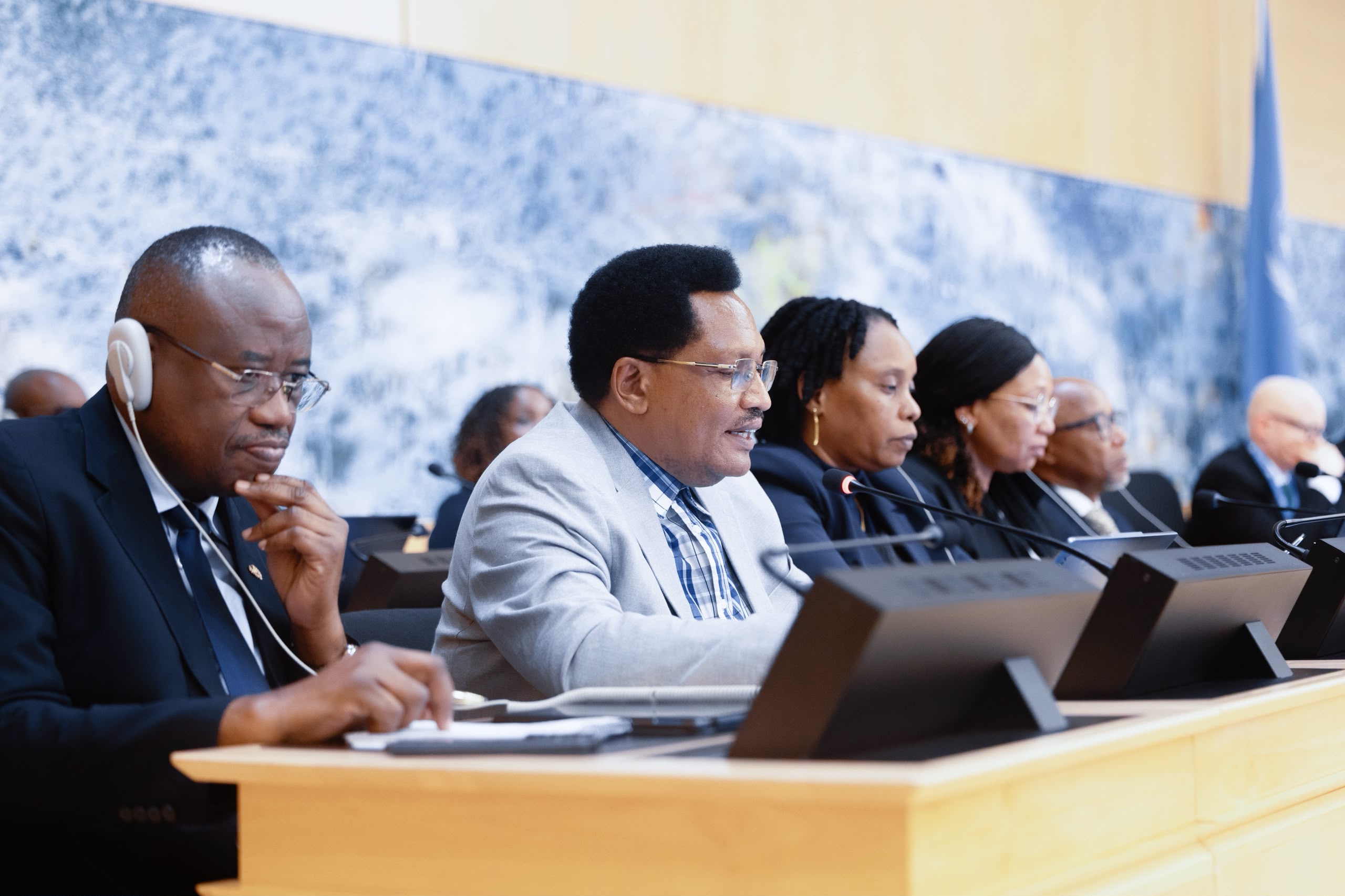
Professor Hamisi Masanja Malebo, Executive Secretary of the UNESCO National Commission of Tanzania, presented the Tanzanian government’s stance on land rights and ethnic categorisation during the 53rd session of the United Nations Universal Periodic Review in Geneva.
He highlighted that Tanzania is home to over 120 ethnic groups, representing all four major ethnolinguistic families in Africa. The Hadzabe and Sandawe people, noted for their click-consonant languages, are among the earliest inhabitants, while Cushitic groups were the first to migrate into Tanzania, introducing agriculture and livestock husbandry.
Bantu groups, which make up around 95% of the population, followed, arriving from West and Central Africa approximately 2,000 years ago. Key groups include the Sukuma, Chagga, Nyamwezi, and Makonde.
Nilotic groups, including the Maasai, migrated south from the Nile region, contributing to historical conflicts and displacing earlier inhabitants. Professor Malebo explained that if land rights are determined by who occupied the land first, the groups displaced by the Maasai could lay earlier claims to the land, making the Maasai’s current claims less absolute.
The Tanzanian Constitution does not officially recognise indigenous peoples or ancestral land, as the government views all its citizens as equal.
Malebo addressed what he described as malicious allegations against Tanzania, asserting that the country operates under the rule of law and human rights principles. He reaffirmed the government’s commitment to socio-economic development and the protection of citizens’ rights, including freedoms of speech and assembly, under constitutional and international standards.
He urged the Human Rights Council to uphold principles of universality and impartiality, stating that Tanzania will continue to safeguard the rights of all its citizens, regardless of their background.