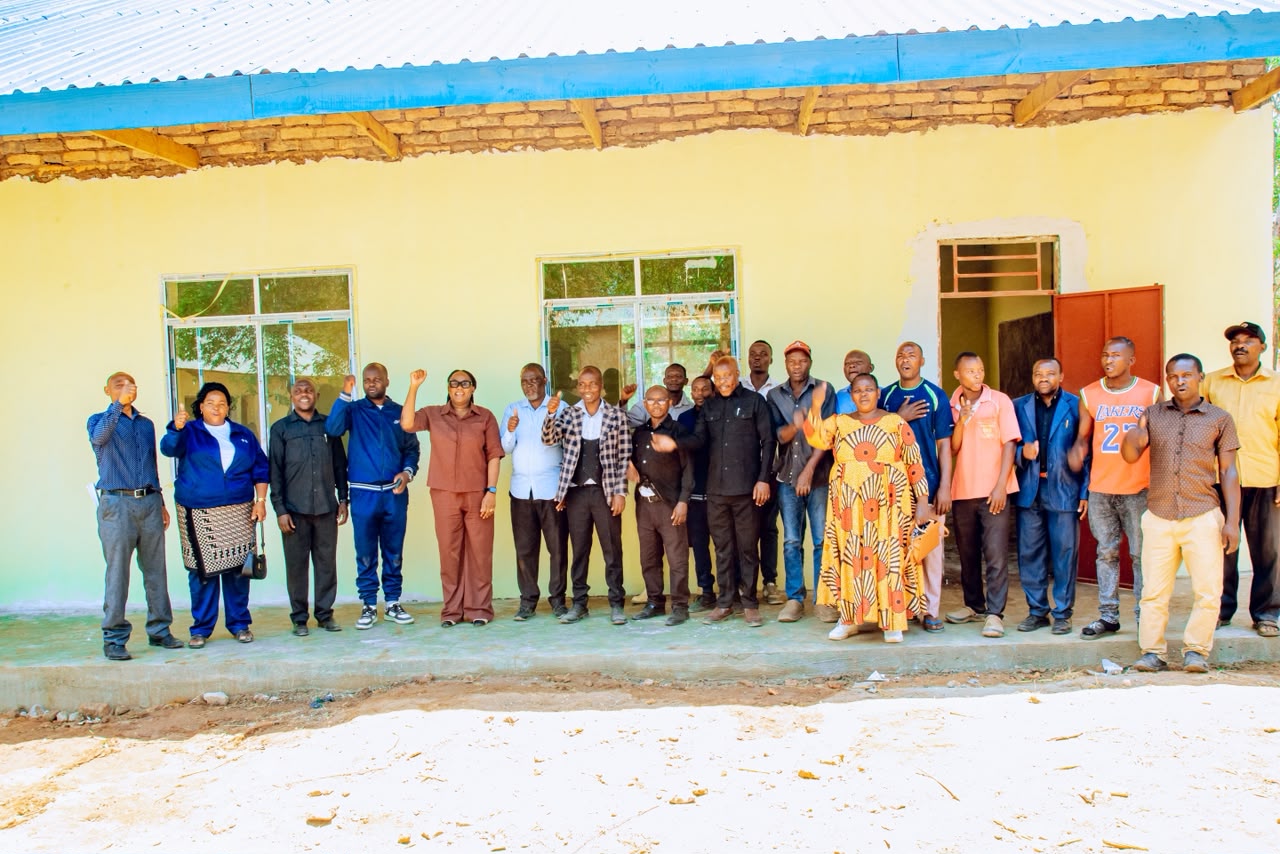
New School Facilities Open in Momba, Tanzania, Thanks to Community and TEN/MET Collaboration
In Momba District, Songwe Region, the completion of new educational facilities marks a significant achievement for local children and their learning environments. Supported by the Tanzania Education Network (TEN/MET), the project aims to address the chronic overcrowding and inadequate conditions faced in many classrooms.
TEN/MET has invested approximately 60 million Tanzanian shillings in new infrastructure, which includes two classrooms at Chiwanda and Ndalambo Primary Schools, a teachers’ office at Ndalambo, 76 desks for students at Msia and Chiwanda, and three wheelchairs for disabled learners at Ndalambo Special Primary School.
The initiative arose during the 2026 Global Action Week for Education (GAWE), where community challenges were identified, prompting a commitment to enhance school infrastructure. This collaboration showcases how community engagement and partnerships can effectively tackle the chronic resource issues that hinder educational progress.
Previously, efforts by local residents to build classrooms at Ndalambo had stalled for over five years due to financial constraints, while work at Chiwanda had dragged on for eight years without completion. These delays highlight the struggles communities face when initiating projects alone.
Ms. Martha Makala, National Coordinator of TEN/MET, emphasised the need for collective engagement in educational improvements, stating that success hinges on collaboration and meaningful community participation. “Every child deserves a better learning environment, and it’s vital that the community plays a role in identifying needs and solutions,” she said.
The support provided by TEN/MET not only aids construction but also stresses the significance of inclusive education, evident from the provision of wheelchairs for disabled students. Effective learning environments require more than just classroom walls; adequate furniture, sanitation facilities, and safe pathways are crucial.
As Tanzania strives for equitable access to quality education, this example from Momba reinforces the importance of stakeholder collaboration. By integrating efforts from local governments, civil society, and community members, the chances of successfully addressing infrastructure needs increase significantly.
A local leader from Nkangamo Ward remarked on the positive impact of these contributions, stating they would greatly enhance learning conditions for all children, including those with disabilities. The commitment from the community to protect and maintain these new facilities is vital, ensuring that they serve their intended purpose for years to come.
The Momba initiative serves as a model for other districts, showing that community participation combined with timely support can lead to lasting educational improvements. As efforts continue in Tanzania to provide quality education for every child, both collaboration and accountability will remain essential.