


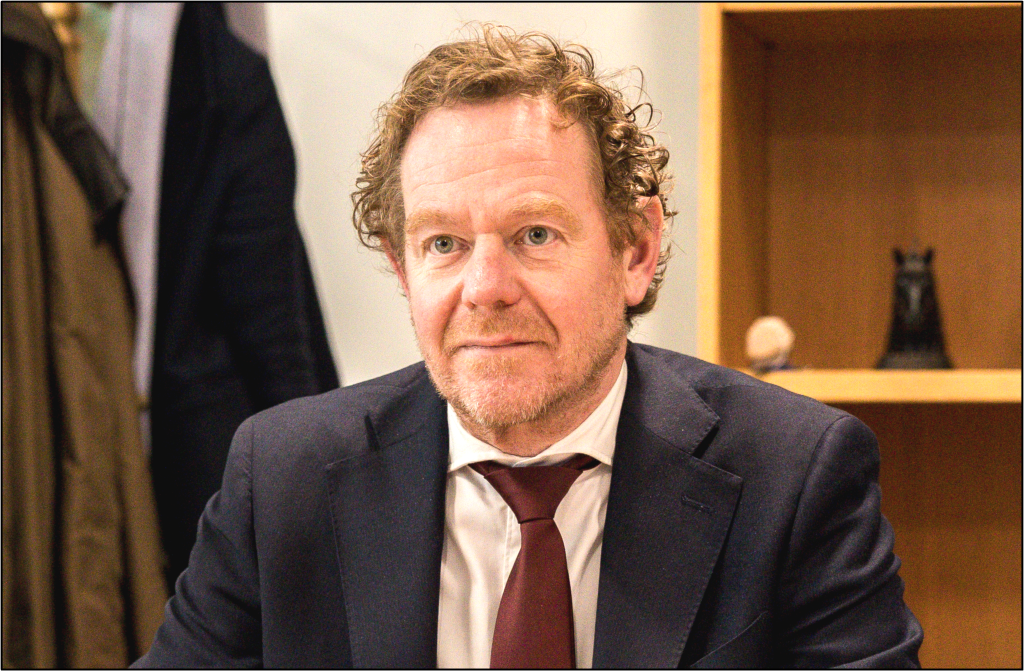
Sierra Leone’s government has accused the Netherlands and its Justice and Security Minister, David van Weel, of orchestrating a media campaign to damage the country’s reputation amid a contentious extradition dispute.
Chief Minister Dr David Sengeh recently condemned van Weel as a “bad politician,” alleging that he is pushing a “neo-colonial ideology” to portray Sierra Leone unfavourably to international partners.
The tension centres on Sierra Leone’s refusal to extradite Dutch national Joseph “Jos” Leijdekkers, who is wanted in the Netherlands for large-scale drug trafficking. Van Weel has publicly linked the extradition deadlock to the suspension of €18 million in aid from the European Commission to Sierra Leone.
Sengeh and other officials have called this public narrative false and misleading. The European Commission has disputed van Weel’s claims, stating that the aid delay is due to “technical and administrative errors,” not a strategic move linked to the extradition. This response has reignited Sierra Leone’s assertion that the Dutch minister has misrepresented the situation to embarrass its government.
The Netherlands has presented several videos showing Leijdekkers with prominent Sierra Leonean figures, including footage of him attending a church service in Tihun, President Julius Maada Bio’s hometown. These images have escalated the diplomatic crisis, sparking public debate over the alleged criminal’s connections to Sierra Leone’s political elite.
The dispute has taken on legal and reputational dimensions, with Dutch authorities pursuing extradition and accountability. In contrast, Sierra Leone’s leadership has accused the Netherlands of conducting a negative publicity campaign. Both sides maintain differing accounts of the situation, leaving the issue a sensitive diplomatic concern as officials and international partners seek clarity.


