


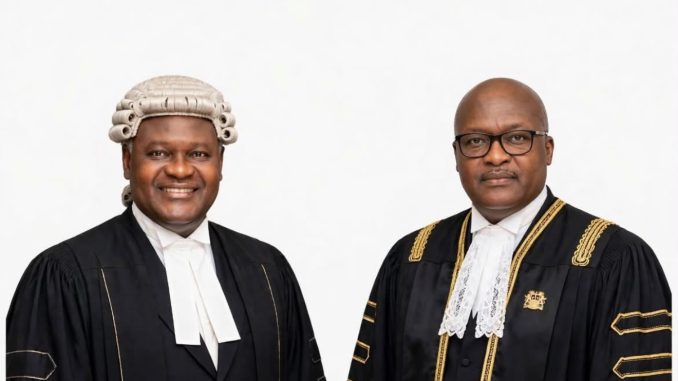
Chief Justice Kamanda’s Ruling on JFK: Risks of Escalating Political Tensions in Sierra Leone
Joseph Fitzgerald Kamara (JFK) remains in detention, prompting serious legal concerns surrounding his case. The use of contempt powers in such a politically charged context must be lawful, procedurally just, and appropriate to the alleged offence.
Reports indicate that JFK apologised and withdrew statements deemed unacceptable by the Supreme Court. Nonetheless, Chief Justice Komba Kamanda found this response insufficient, resulting in JFK’s detention.
The key legal issue is not whether the Supreme Court possesses contempt powers—it clearly does—but whether the detention was justified and proportionate in this instance. Given that an apology had been made, the necessity of depriving him of his liberty is questionable. Might a warning or another lawful sanction have sufficed to maintain the Court’s dignity without exacerbating an already delicate constitutional issue?
Additionally, concerns arise regarding procedural fairness. Was JFK adequately informed about the behaviour constituting contempt? Did he have a fair opportunity to respond? Was there a proper legal justification for a sanction affecting his liberty?
The political backdrop underlines the need for careful judicial measures. As JFK represents the opposition APC in vital constitutional matters, ensuring the perception of judicial neutrality is crucial. Judicial independence should not equate to unrestricted judicial authority.
If court rulings are viewed as disproportionate, public confidence in the judiciary could wane, deepening political mistrust and posing risks to Sierra Leone’s national stability. The solution lies not in violence or intimidation but in judicial restraint, transparent legal processes, and constitutional adherence.
While no lawyer is above the law, judicial officers must also be subject to constitutional review. The pressing question is: Was JFK’s detention essential to uphold justice, or could the same objective have been achieved with a less severe measure?
The integrity of the Supreme Court should derive from its legal reasoning and fairness, rather than its ability to impose punishment. Sierra Leone’s judiciary ought to mediate political disputes rather than adding to them, as public confidence in equal justice is vital for national stability.


