


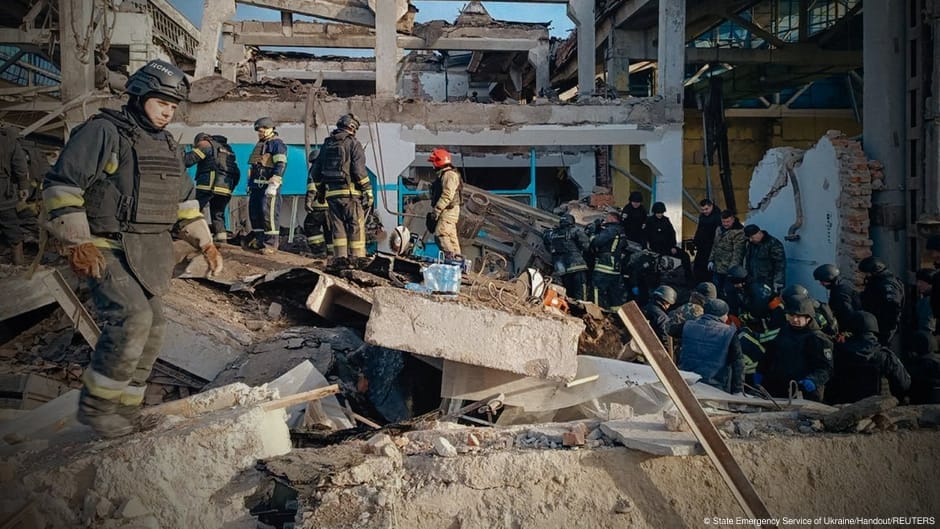
Ukrainian President Volodymyr Zelenskyy has signed a decree prohibiting media outlets from disclosing details about the effects of Russian strikes on critical infrastructure. The government is required to take “urgent measures” to restrict reporting on the destruction and the timelines for restoring damaged facilities.
Zelenskyy also directed the Ministry of Defence and the General Staff to enhance protections for vital energy infrastructure, a decision stemming from a Security Council meeting last month.
As winter approaches, Russia has intensified missile and drone strikes on Ukraine’s energy network and essential infrastructure, including key bridges in Kyiv, leading to significant disruptions in heating, power, and water supplies.
Kyiv Mayor Vitali Klitschko reported that a woman was killed and four others injured in the latest Russian attacks. He noted that critical infrastructure was targeted but did not provide specifics. Ukraine had previously urged media not to share information regarding the locations or damages caused by strikes, claiming such reports aid Russian military planning.
The decree lacks details on enforcement measures, with Dmytro Lytvyn, an adviser to Zelenskyy, acknowledging challenges due to a large amount of information originating from anonymous Telegram channels.
Meanwhile, Russia has also sought to limit reporting, criminalising much coverage of the war since its full-scale invasion of Ukraine in 2022. Recently, Russian lawmakers suggested legislation to ban independent reporting on the consequences of Ukrainian strikes, with breaches carrying penalties of fines or imprisonment.
On Saturday, Russia reported extensive Ukrainian drone attacks across several regions, including Moscow and Samara, with nine people injured in Bryansk when a bus was attacked.


