The Tanzanian government has urged banks, local authorities, and the private sector to enhance support for young agribusiness entrepreneurs, stating that boosting investment in agriculture can create jobs, increase incomes, and bolster economic growth.
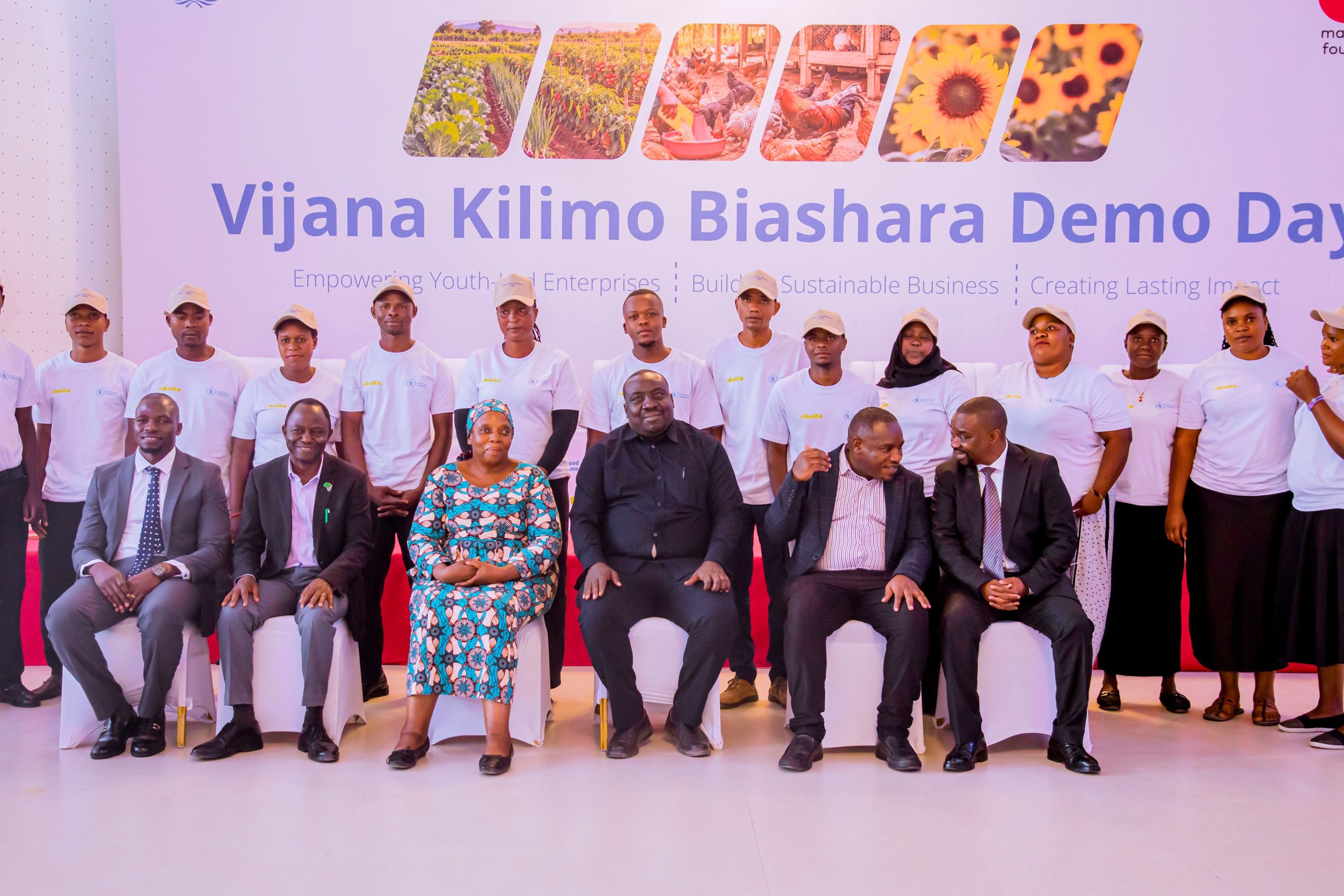
This announcement coincided with the distribution of 40 million Tanzanian shillings in grants to 40 young entrepreneurs from Dodoma and Singida, under the second phase of the Generation Food Accelerator (GFA) initiative, part of the Vijana Kilimo Biashara project.
During the programme’s conclusion in Dodoma, Eng Athumani Kilundumya, the Deputy Permanent Secretary in the Ministry of Agriculture, emphasised the need for young people to have access to capital, skills, technology, business advice, and markets to transform agricultural potential into successful enterprises.
He pointed out that agribusiness encompasses more than just farming; it includes seed production, machinery services, input supply, storage, processing, and marketing.
“Opportunities exist not only in farming but also within the entire value chain,” he stated, highlighting that agriculture contributes approximately 26.4 per cent of the country’s GDP and sustains over 65.5 per cent of the population through employment.
Kilundumya called on banks to enhance financial literacy and improve accessibility to loans for young entrepreneurs with promising business ideas. He also encouraged local government leaders to assist youths in accessing loans earmarked for women and young people, cautioning against bureaucratic hurdles that may discourage applicants.
“Let’s not just be young people on Instagram and Facebook; let’s take action,” he urged.
In this latest phase of the GFA, out of 731 applications, 100 entrepreneurs were selected, comprising 60 from Dodoma and 40 from Singida. The 40 successful applicants received grants to establish or expand their businesses, with an additional 10 awarded for innovation and growth.
The project is executed by Rikolto in partnership with the World Food Programme (WFP) and funded by the Mastercard Foundation, targeting individuals aged 18 to 35 engaged in sorghum, sunflower, vegetable, and fruit value chains.
Isaac Mathe, Supply Chain and Logistics Officer at the WFP, noted that the programme has provided young entrepreneurs with crucial mentorship and networking opportunities. He reported that 53 per cent of participants were women and that 38 businesses had formalised their operations, resulting in the creation of 43 new jobs.
Mr Shukuru Tweve, Project Coordinator for Rikolto East Africa, highlighted the importance of ongoing collaboration between the government, financial institutions, the private sector, and development partners to ensure access to capital and technology for young people.
“This programme aims to establish resilient food systems where young people are not just beneficiaries but also innovators and leaders of economic transformation,” he added.