


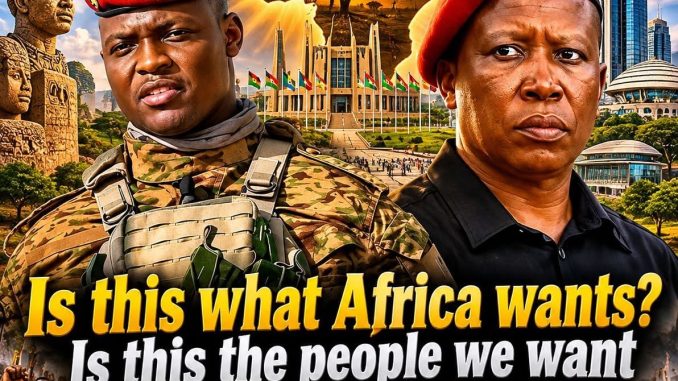
Is This the Leadership Africa Wants? A Question for the Continent
Africa, home to over 1.4 billion people and rich in resources and history, faces a critical question: who truly deserves to lead the continent?
Political power across Africa has often been cloaked in promises of liberation, security, and transformation. Leaders may portray themselves as defenders of independence or heralds of stability and development, yet it begs the question: what are the people really gaining?
The continent does not require leaders who merely project strength. It needs leaders who grasp the weight of their authority. A military uniform or a stirring speech does not guarantee good governance, nor does claiming to fight for sovereignty absolve leaders of their duty to uphold the rights of their citizens.
The true test of leadership lies not in grand speeches about liberation, but in the dignity, security, and opportunity provided to citizens. Africa must stop mistaking strongmen for strong leaders.
Throughout history, Africa has seen kingdoms rise and fall, empires expand, and movements for independence evolve. Generations have fought to ensure that Africans determine their destiny, but true independence should not merely replace one form of domination with another.
Do citizens have the right to challenge their leaders? Can young Africans find opportunities at home? Can farmers thrive? Can industries grow? Can public resources serve all citizens rather than just a privileged few? These are the crucial considerations for whether a leader earns the trust of the public.
Africa is rich with intelligent and innovative individuals, and it requires a political culture that prizes competence, integrity, and genuine service. It is imperative to scrutinise every leader, irrespective of party, background, or popularity.
Standing up for African sovereignty should not come at the expense of critical thinking, nor should it mean relinquishing the right to demand accountability. The continent requires leaders who recognise that it belongs to its people, not to those who aim to control it.
The next generation deserves more than influential political figures; it deserves functioning institutions, economies that provide opportunities, and leaders who uphold human dignity.
Now, the pressing question remains: is this the leadership Africa truly desires? Are we choosing leaders based on promises and popularity, or are we evaluating their actual achievements and accountability?
If you had the power to shape Africa’s next generation of leadership, what qualities would you demand?
Let’s engage in this vital conversation; Africa’s future is too significant for silence.


