


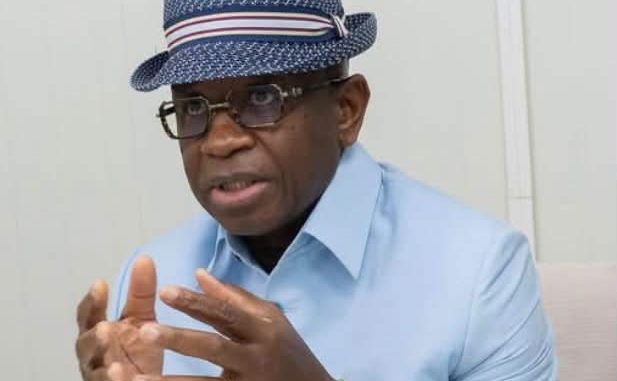
The Leadership of President Julius Maada Bio: A Call for Accountability
By Sorie Ibrahim Koroma, Accredited Business Accountant/Advisor
A nation struggles when its leaders fail to demonstrate integrity and uphold principles. For Sierra Leone, this sentiment rings particularly true regarding President Julius Maada Bio’s tenure.
Good leadership is not defined by winning elections or holding positions of power but by accountability, respect for human rights, and the courage to maintain principles, even when it’s politically challenging. President Bio’s record must be evaluated not just by promises made but by the tangible impact of his decisions on the lives of Sierra Leoneans.
Bio’s political journey began amid Sierra Leone’s military coups in the 1990s, serving as a key figure in the National Provisional Ruling Council (NPRC). While he later restored democratic governance, the lessons learned from that tumultuous era about the dangers of power concentration remain pertinent.
Political leaders inspire hope by promising improvements from past failures. President Bio came to office in 2018 with a vision for transformation, notably through the Free Quality School Education initiative. While this has increased access to education, the broader question remains: Has his government truly enhanced living conditions for ordinary citizens?
Have job opportunities increased? Are living costs manageable? Are public services reliable? Such questions require thorough analysis beyond government rhetoric and demonstrate the need for transparency and accountability.
Leadership is tested in crises, revealing true character. Challenges arise when allegations involve government misconduct; it’s vital for Bio to facilitate transparent investigations, uphold constitutional rights, and act when faced with credible evidence of failure.
Sierra Leone is currently grappling with a troubling drug crisis among youth, exacerbated by substance abuse. This demands a coordinated government response, demonstrating urgency and accountability, rather than mere public condemnation following tragedies.
Economically, while Sierra Leone is rich in resources, successful governance hinges on responsible management rather than resource wealth alone. Citizens focus on basic needs: affordable food, job opportunities, and effective public services. When inflation and insufficient services threaten living standards, the government must provide clear explanations and strategies for improvement.
Democracy relies on robust institutions, not individual leaders. A president must encourage scrutiny of their government, allowing institutions to function independently, thereby strengthening the nation’s democratic foundation.
Leadership isn’t a competition based solely on educational qualifications but rather demonstrated by action and results. Effective leaders focus on their citizens’ welfare and act decisively when failures occur.
Ultimately, history will gauge President Bio by the strength of governance, respect for rights, and well-managed resources, not by his oratory or previous military role. Sierra Leone requires a leadership anchored in principle and dedicated to the wellbeing of its people.
The citizens deserve a government that prioritises accountability, responds to crises, and aims for progress. Sierra Leone seeks leaders committed to tangible results and unwavering principles for a brighter future.


