


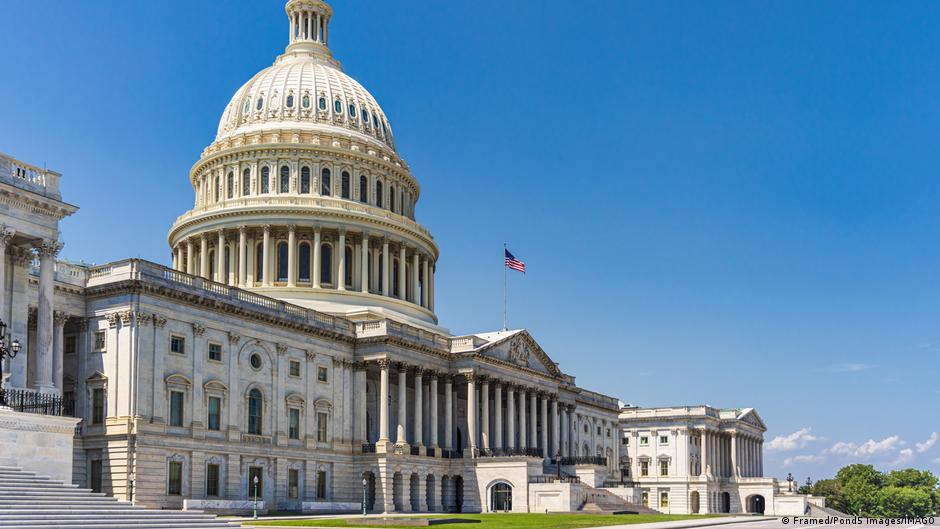
Over half of the United States population is female, yet women hold only 28.4% of the seats in Congress. Despite this disparity, the number of women in the House of Representatives and Senate has reached a historic high of 152. Additionally, a record 14 women serve as governors across the 50 states, accounting for 28% of the total.
Several factors contribute to the underrepresentation of women in Congress. Kelly Dittmar, director of research at the Center for American Women and Politics at Rutgers University, highlights structural obstacles, noting that the political system tends to favour incumbents, making it harder for newcomers, particularly women, to gain a foothold.
Senate seats are contested only every six years, whereas House members serve two-year terms without limits on re-election, allowing some to remain in office for decades. Furthermore, election campaigns in the US are costly, and women historically have had less access to wealthy donor networks, which are predominantly male. Dittmar also points to cultural biases and stereotypes that affect women’s participation in politics.
The upcoming elections on 3rd November will be crucial, as all 435 House seats and 35 Senate seats are up for grabs, while 36 states will elect new governors.
Currently, female Democrats outnumber their Republican counterparts three to one in the House of Representatives, with 125 women serving total. Dittmar emphasises that the Republican Party lacks the support structures found in Democratic circles to recruit and fund female candidates.
The Republicans hold a majority in the House, enabling them to appoint the Speaker, currently Mike Johnson. Notably, Nancy Pelosi is the only woman to have ever held this position.
In the Senate, women make up 27% with 16 Democrats and 11 Republicans. Since each state is represented by two senators, the competition for seats is more intense. Dittmar states that the lengthy terms and expensive campaigns make it even more challenging for women candidates.
One potential breakthrough in the upcoming midterms is Peggy Flanagan, a Democrat running in Minnesota. If successful, she would become the first Native American woman in the Senate.
In another exciting development, for the first time, a Black woman may be elected as a state governor. In Minnesota, Democrat Amy Klobuchar, a long-time senator, is in contention for the governorship as her party colleague Tim Walz steps down. Meanwhile, Keisha Lance Bottoms, a Democrat, is running for governor of Georgia, a race deemed highly competitive.
Dittmar considers Bottoms has a genuine chance of making history, bolstered by high-profile endorsements, including that of former President Barack Obama. The dynamics of the races underline the continuing push for greater representation of women in American politics.


