


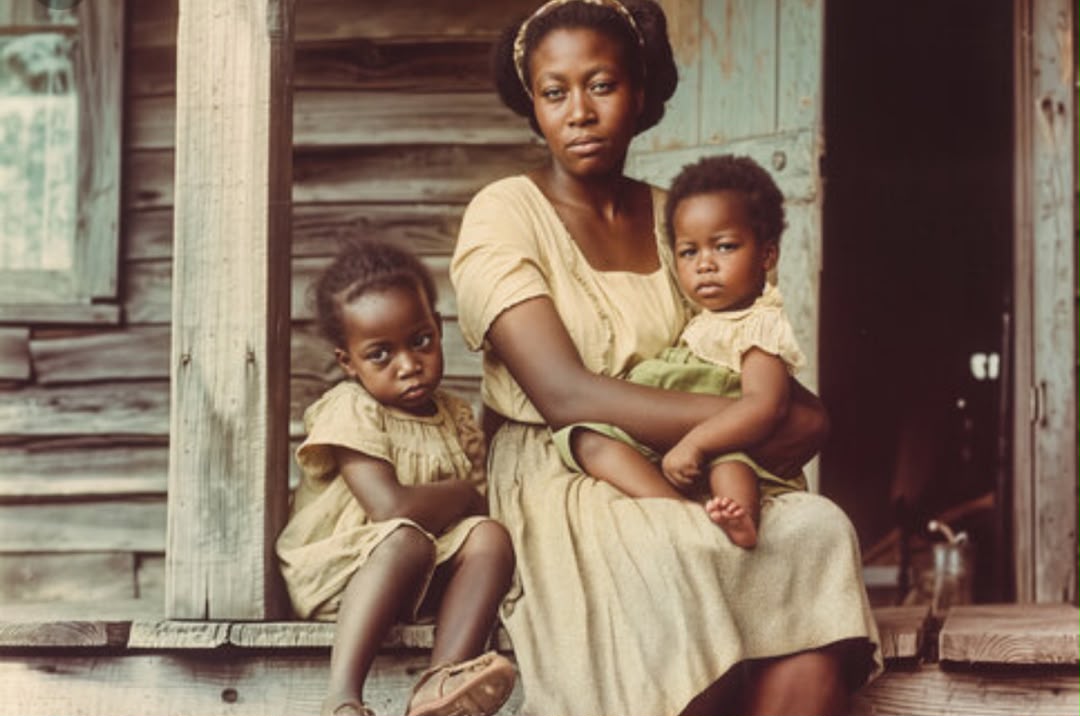
Every year, one in five mothers worldwide faces postpartum depression. A meta-analysis of 565 studies across 80 countries reports a prevalence of 17.22%, while the World Health Organization estimates rates between 13% and 20%. In developing nations, this figure rises to 19.8%, and over half of cases go undiagnosed, leaving many women to suffer in silence.
When a baby is born in an African home, celebrations ensue, from prayers to naming ceremonies. However, once the visitors leave and the mother is alone with her newborn, many struggles loom. Unlike in many Western clinics, where aftercare includes checking the mother’s wellbeing, in places like Sierra Leone, this vital support is often absent. This absence can lead to conditions such as postpartum depression—a serious illness characterised by severe mood swings, hallucinations, and extreme detachment from the baby.
Doctors believe the rapid hormonal changes following childbirth, along with risk factors like a personal or family history of mental illness, contribute to postpartum psychosis, which can emerge within two weeks of delivery. Unlike the more benign baby blues, symptoms demand immediate medical attention.
Recent studies indicate that mental health issues post-delivery are prevalent yet often overlooked in Sierra Leone. A report from Médecins Sans Frontières in 2019 highlighted a case of suspected postpartum psychosis in Gorama Mende, demonstrating the dire need for awareness. Evidence shows that 23% of pregnant women in Africa experience postpartum depression and anxiety.
In Sierra Leone, stressors accumulate; 61% of married women experience some form of spousal violence according to the Demographic and Health Survey. The country has a troubled history of civil war and health crises, contributing to its rank as 182 out of 189 for mental health support in 2020. A 2022 study indicated that around 10% of malnourished pregnant women exhibited signs of depression.
Unfortunately, there exists an estimated treatment gap of 98% for severe mental illnesses in Sierra Leone, meaning most mothers lack necessary support. Dr. Samuel Sesay from Connaught Hospital notes the low reporting of postpartum psychosis cases may stem from a lack of understanding within the community and the healthcare system. He emphasises the importance of raising awareness to ensure families recognise the signs and seek help early.
Despite the presence of postpartum depression and psychosis, routine screening is not standard among healthcare providers in Sierra Leone. Dr. Sesay calls for continuous education for health workers and increased public awareness to help families identify symptoms early and promote preventative healthcare measures during antenatal visits.
Written by Deborah Kamara


