




The introduction of two newly licensed vaccines to protect infants against respiratory syncytial virus (RSV) in South Africa is being hindered by their high costs, according to Professor Shabir Madhi from Wits University.
Madhi stated that the national health department is in negotiations with manufacturers to secure a reduced price for the maternal RSV vaccine, which, although available privately, remains unaffordable for most expectant mothers. He highlighted the prohibitive costs as a significant barrier to their public health implementation.
RSV is a prevalent virus that can lead to serious pneumonia and lower respiratory tract infections in babies. The first vaccine, Abrysvo, is administered during pregnancy, allowing antibodies to be transferred from mother to baby, providing protection from birth until six months. The second, Beyfortus (nirsevimab), is a monoclonal antibody injected into infants, offering immediate protection against RSV without stimulating their immune response as a vaccine would.
Both vaccines have been approved by the South African Health Products Regulatory Authority, with Abrysvo receiving approval in December 2024 and Beyfortus in September 2025. However, neither is currently part of the public health programme. In the private sector, Abrysvo costs between R3,700 and R4,200 depending on the provider, which Madhi claims is not feasible for widespread public use.
He suggested that for the maternal vaccine to be affordable and effective within the public health system, it would need to be priced around $25 to $30 per dose. The National Advisory Group on Immunisation had recommended last April that Abrysvo be made available to pregnant women from 28 weeks, yet no implementation date has been set, and it suggested administering throughout the year due to RSV’s year-round prevalence in South Africa.
Madhi noted that 73% of RSV-related deaths occur in infants under six months, and a significant trial found that maternal vaccination reduced severe RSV cases in this age group by 69.4%.
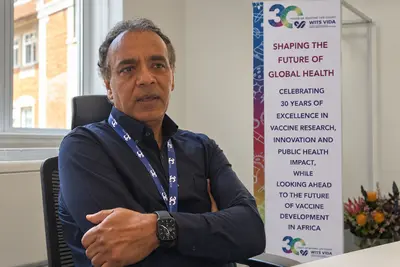
During a recent speech marking 30 years of the Wits Vaccines and Infectious Diseases Analytics Research Unit (VIDA) at the Wits BioHub in Johannesburg, Madhi emphasised the need for vaccines to be affordable for their lifesaving potential to be realised. He lamented the ongoing preventable deaths of African children due to incomplete vaccinations, attributing issues not just to vaccine availability, but also to clinic hours, travel costs, and parental income loss when taking time off work.
Madhi suggested enhancing vaccination accessibility by offering services after hours and on weekends. He attributed the decline in vaccine confidence partly to complacency from previous successful campaigns, whereby younger parents may not recognise the risks that unvaccinated children face.
Recent data from World Health Organisation and UNICEF revealed that South Africa’s coverage for the first dose of the diphtheria, tetanus, and pertussis vaccine had dropped significantly. The National Institute for Communicable Diseases reported 4,188 confirmed measles cases from late December 2025 to late August this year, reflecting a concerning outbreak.
Madhi also addressed Africa’s struggle to establish a self-sufficient vaccine industry, despite its capabilities in conducting clinical trials. He stressed the high costs of vaccine development, which can exceed $1 billion, making it difficult for local manufacturers to compete with larger companies.
For a sustainable African vaccine industry, he argued that government support for research, development, and manufacturing is crucial. He concluded by stating that the goal is not only for scientists to contribute to global vaccine research but also to ensure that new vaccines are affordable and accessible to those in need.