



Doctors Without Borders (MSF) stated on Friday that the Ebola outbreak in the Democratic Republic of Congo (DRC) is still a serious threat. This comes after the DRC government and the World Health Organization reported a slowdown in transmission in some areas earlier this week, leading to optimistic news coverage.
First declared in mid-May, the outbreak may have begun spreading months earlier. It is now the largest in DRC’s history and the fastest-spreading on record, with over 7,200 confirmed cases and more than 3,500 fatalities.
MSF, which employs around 1,700 staff in the DRC, mostly Congolese, cautioned that while cases appeared to be decreasing in Ituri province, the national figures tell a different story. Anthony Kergosien, MSF’s emergency coordinator in DRC, stressed that assuming the outbreak is under control due to fewer patients in some treatment centres is misguided.
He highlighted that while Ituri was seeing a decline, South Ubangi had become the seventh province affected, with North Kivu now accounting for almost half of all new cases as test positivity rates rise sharply.
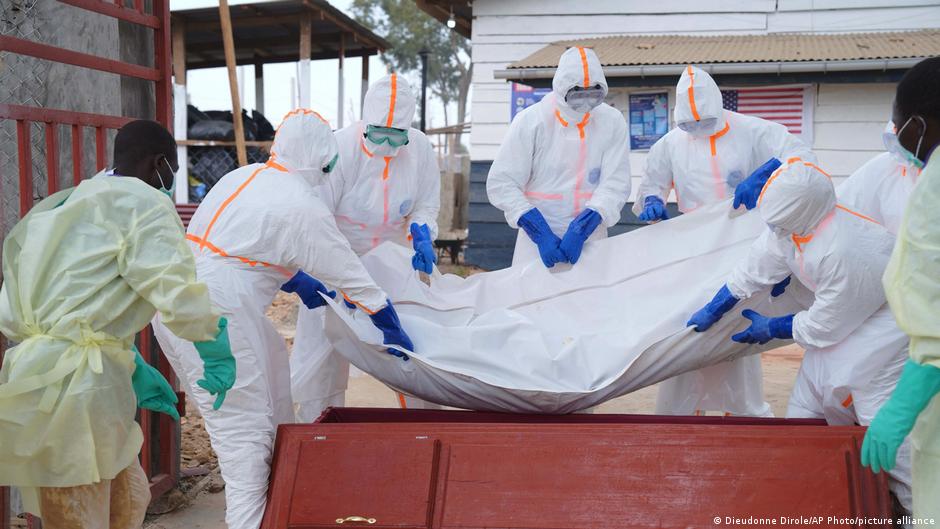
The outbreak’s rapid spread has been fuelled by various factors, including instability, inadequate health infrastructure in remote areas, and traditional burial practices that increase the risk of virus transmission. Furthermore, the outbreak involves a less common strain of the virus, Bundibugyo, which limits the effectiveness of existing treatments and vaccines.
The DRC’s Ebola outbreak is now considered the most extensive in its history, surpassed only by the West African outbreak from 2013 to 2016, which took over two years to reach more than 28,000 cases.


