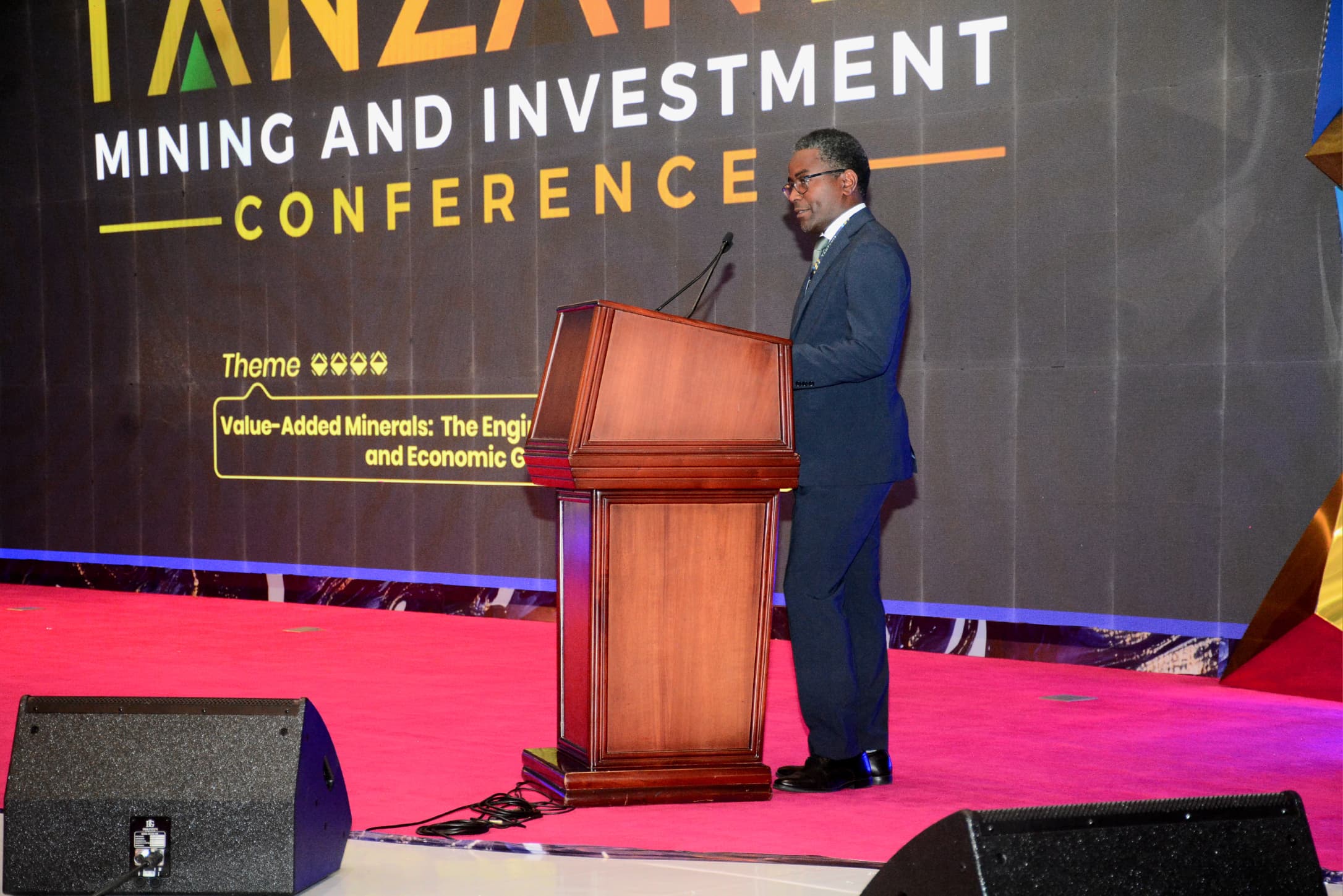
Tanzania has celebrated its successful mining partnership with Barrick Gold at the ongoing Tanzania Mining and Investment Conference in Dar es Salaam on 19 November 2026. The conference highlighted the promising future of the partnership, which benefits both the country and its citizens.
Over the past six years, the collaboration has generated $4.79 billion for Tanzania, with $558 million earned in the first half of 2025 alone. The joint venture between Barrick Mining Corporation and the Tanzanian government illustrates mining’s vital role in national development, creating shared value, dividends, and long-term investment opportunities.
Dr. Kiruswa noted that Twiga, in which the government holds a 16% stake, is an example of a successful mining sector initiative. He emphasised the annual investments made through development projects that involve local communities near the mine.
Dr. Abdulrahman Mwanga, Commissioner for Minerals, announced that the Buzwagi mine has been designated as a Special Economic Zone, attracting interest from various investors.
The conference, sponsored by Barrick, was officially opened by Vice President Deogratius Ndejembi and brought together global mining stakeholders. Barrick’s Country Manager, Dr. Melkiory Ngido, highlighted the mining sector’s substantial contributions to Tanzania’s economy and noted that the collaboration has generated over 16 trillion Tanzanian shillings in economic circulation over the past six years.
In 2025 alone, Barrick contributed more than 2.2 trillion shillings in value, paid 4.7 trillion shillings in taxes, and delivered over 700 billion shillings in dividends to the government. Dr. Ngido remarked on Barrick’s strong position as a leading economic contributor, with over 90% of procurement coming from Tanzanian suppliers and 96% of the workforce being Tanzanian, including 49% from local communities.
An example of the partnership’s positive impact is the Future Forward education programme, a joint investment of $30 million aimed at enhancing school infrastructure. Now in its second phase, it will provide classroom space for an additional 45,000 students.