


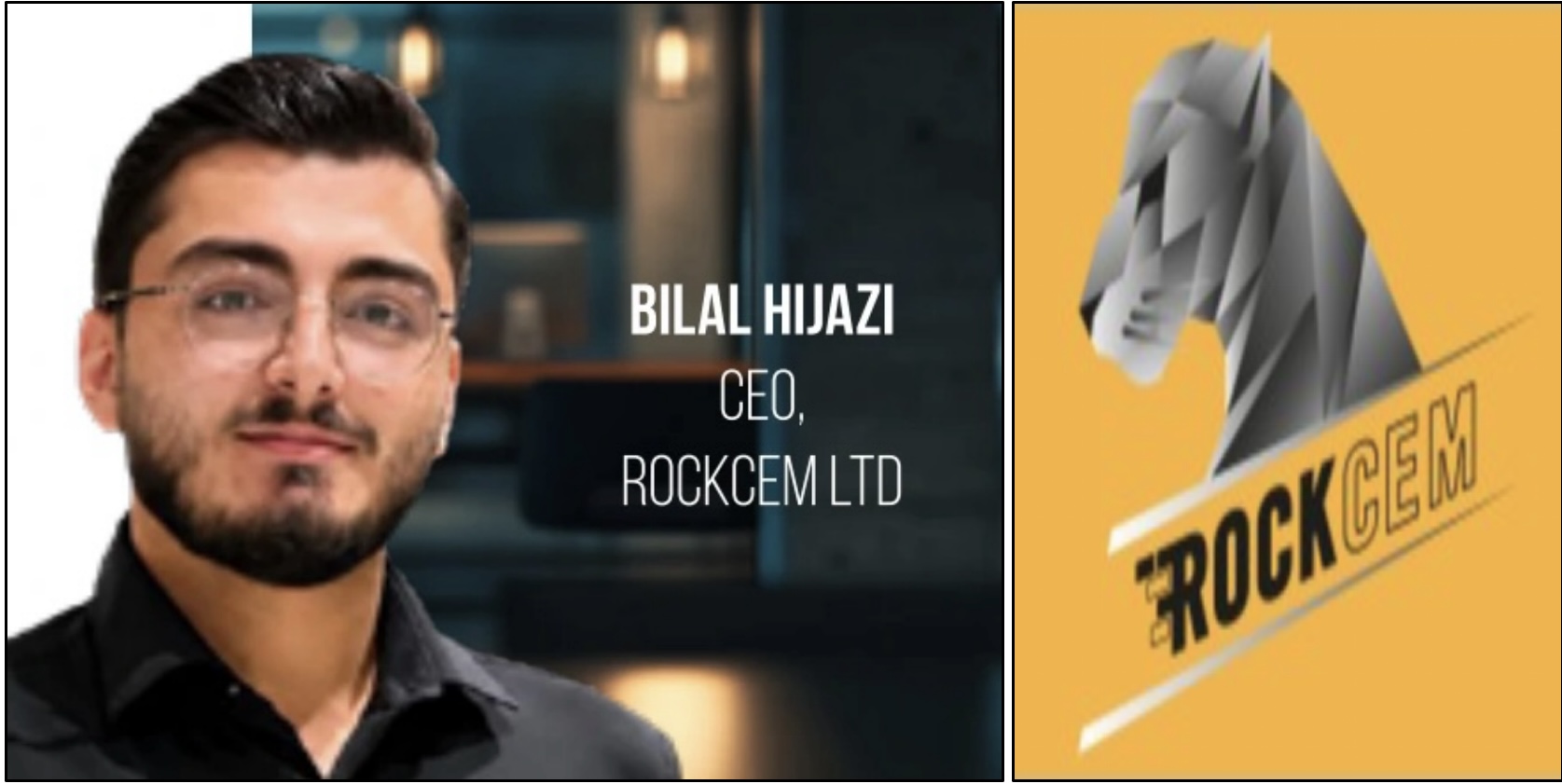
RockCem Ltd is developing a fully integrated cement operation in Sierra Leone, which will include nationwide logistics, local grinding capabilities, and solar-powered processing. The company entered Sierra Leone’s cement market in 2021 with a single imported shipment, lacking experience in construction materials.
Now, five years later, RockCem has established its own logistics network for cement distribution, employs over 500 staff directly and indirectly, and is building a solar-powered grinding mill in Freetown.
CEO Bilal Hijazi credits his entrepreneurial instincts to his family’s industrial businesses, which included sectors like carbonated beverages and packaging. Despite initially having little knowledge about construction, he recognised cement shortages in Freetown and launched an independent venture there.
RockCem plans to shift from importing cement to local production with the installation of a German-engineered vertical grinding mill. This mill will have a production capacity of 100 metric tons per hour and a two-megawatt solar installation, which Hijazi states will supply 70% to 80% of the operation’s electricity needs.
This transition marks a significant step for RockCem, which aims to enhance supply security while contributing to Sierra Leone’s industrial growth. Hijazi notes, “Sierra Leone is one of the few countries that still imports finished cement,” adding that local production will transform the supply chain.
To tackle logistical challenges faced in West Africa, RockCem created its own infrastructure rather than relying on third-party providers. Currently, the company operates around 50 trucks to distribute cement across Freetown and beyond, enabling direct deliveries to wholesalers and retailers.
The firm’s growth aligns with governmental interventions in cement pricing, including a price ceiling introduced in April 2025. Hijazi describes the government’s approach as collaborative, regularly meeting with industry stakeholders to address pricing linked to fuel and global economic conditions.
Further, land allocation initiatives by the Ministry of Lands aim to promote residential and commercial development, which boosts demand for construction materials.
Switching from imports to local production has favourable implications for Sierra Leone’s economy, reducing foreign exchange outflows. “The grinding mill will lessen reliance on imported cement once operations commence,” says Hijazi.
RockCem’s expanding logistics and focus on innovation will improve product availability, establishing the company as a crucial player in Sierra Leone’s construction sector.
Hijazi believes there are significant opportunities for younger African entrepreneurs in underserved industries, stating, “There are market gaps for investors ready to analyse and engage in sectors with supply shortages.” RockCem is now poised for further growth, seeking to hire an additional 500 employees, which will increase total employment to over 1,000 as it reinforces a locally integrated cement operation aimed at supporting long-term industrial development in Sierra Leone.


