


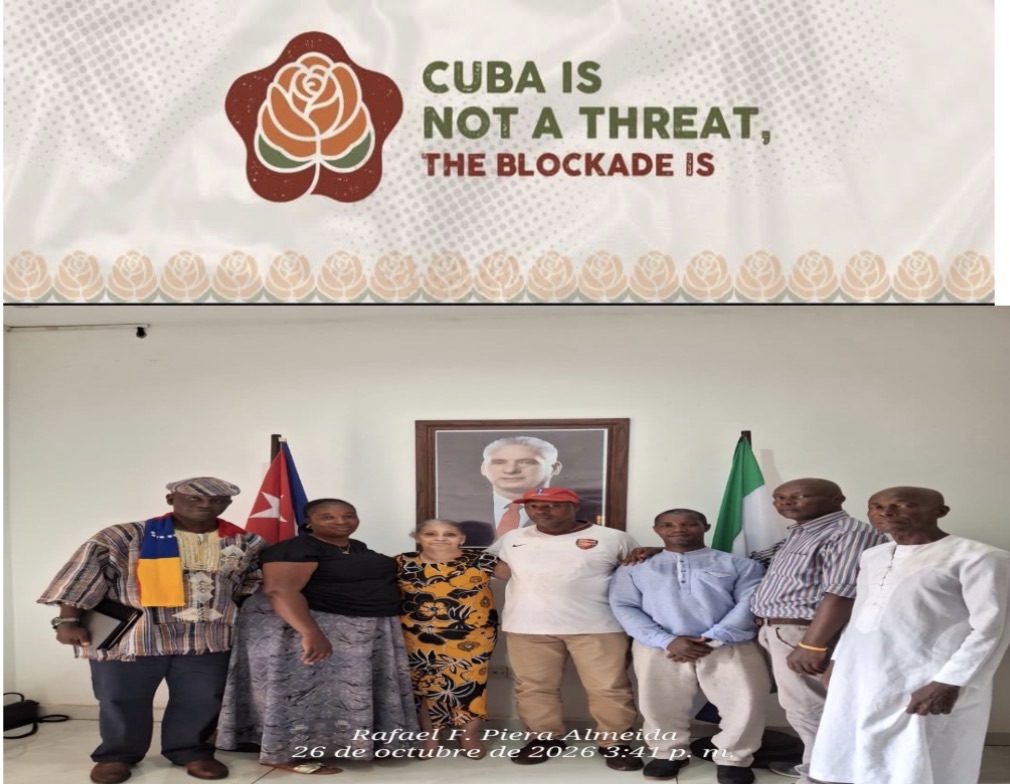
Cuba estimates that the economic damage from the United States’ economic blockade has reached approximately US$8.08 billion for the period from March 1, 2025, to February 28, 2026. This comes as the country warns about increasing pressure on energy supplies, healthcare, food distribution, and international trade.
In its 2026 report on the blockade’s impact, Cuba attributes a worsening economic and humanitarian situation to these restrictions and a recent intensification of pressure. Norma Sánchez Águila, Cuba’s Ambassador to Sierra Leone, noted that the cumulative damage from the blockade has now totalled approximately US$178.7 billion at current prices, or about US$3.9 trillion when adjusted for rising gold prices. The report highlights a 7% increase in annual damage compared to the previous period.
Energy shortages stand out as a critical issue, with the report revealing that only 54.6% of the planned electricity supply for essential economic sectors was met, while residential fulfilment was at 83%. Average power outages for households exceeded 20 hours, with some areas suffering over 30 hours without electricity. These shortages exacerbate challenges in transport, refrigeration, and essential service delivery.
The report also cites US executive orders issued on January 29 and May 1, 2026, which added pressure on countries supplying oil to Cuba and increased sanctions exposure for foreign individuals and entities involved in strategic sectors. The blockades have severe humanitarian consequences, particularly affecting patients in urgent need of medical care, with an estimated 100,000 individuals, including 12,000 children, on surgical waiting lists. Additionally, 2,888 patients rely on haemodialysis.
Transportation of essential medical supplies is hindered by fuel shortages, threatening the distribution of vaccines and other temperature-sensitive products. The report notes that fuel scarcity also limits agricultural irrigation to just two hours out of a planned 16-hour cycle, slowing food distribution and impacting the education sector.
Cuba claims that the blockade not only harms its economy but also affects international shipping companies, suppliers, and financial institutions, leading to disruptions in humanitarian food shipments and preventing some major shipping firms from fulfilling orders to Cuba. Consequently, financial services have been scaled back due to fears of sanctions, exacerbating difficulties in transactions with international suppliers.
The report argues that these restrictions infringe upon international law and the principle of sovereign equality, suggesting they represent collective punishment for ordinary citizens. Notably, the Helms-Burton Act and Cuba’s designation as a state sponsor of terrorism by the US are highlighted.
Cuba also cites international opposition to the blockade, noting that the African Union condemned US measures for the 17th consecutive year in February 2026, alongside concerns raised by UN officials regarding humanitarian consequences.
In summary, the report underscores the blockade as a significant obstacle to Cuba’s development and access to vital goods and services, asserting its negative impacts across healthcare, agriculture, education, and private enterprise.


