


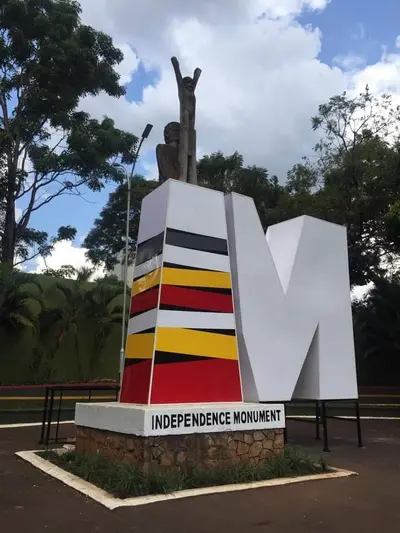
Uganda marks 64 years of independence this month, but the political landscape remains troubled. Since gaining freedom from British rule on 9th October 1962, the nation has endured civil wars, economic challenges, and recent democratic declines.
President Yoweri Museveni’s rise to power in January 1986 brought initial optimism for a new era of leadership. His government instigated relevant constitutional reforms in 1995, introducing safeguards like presidential term limits and age restrictions, designed to prevent abuses of power. Additionally, laws aimed at enhancing women’s participation in politics further sparked hope for a more inclusive democracy.
Yet, this optimism dwindled when the aforementioned constitutional provisions were repealed in 2007 and 2018. The country faced further disillusionment after the January 2026 elections, which saw widespread reports of opposition supporters and polling agents being abducted. Many opposition candidates were denied fair chances to compete.
As Ugandans celebrate their independence, a significant political move has emerged: the endorsement of General Muhoozi Kainerugaba, the current military chief, for the presidency in 2031. This endorsement is surprising given that his father, Museveni, continues to lead. The “Patriotic League of Uganda,” a new political outfit masquerading as a civic movement, is rallying support for this military candidacy.
This early endorsement generates concern and debate among the public and political factions. Observers fear it signals a return to military dominance in governance, reminiscent of the Amin and Obote eras. The distinction between civilian and military authority is becoming increasingly blurred, leaving many uncertain of the nation’s political direction.
Many Ugandans face an environment of fear, with reports of abductions, torture, and repression of dissent. As the political situation grows precarious, talk of power transitions provokes anxiety about the country’s future. While Uganda has made strides in economic growth and stability, the looming uncertainty continues to overshadow any achievements.
In light of the current chaos, there is an urgent need for dialogue among Ugandans and support from institutions like the African Union and the United Nations, to navigate these challenges before they escalate into a crisis similar to those witnessed in other troubled nations.
Robert Kigongo is a sustainable development analyst.





