


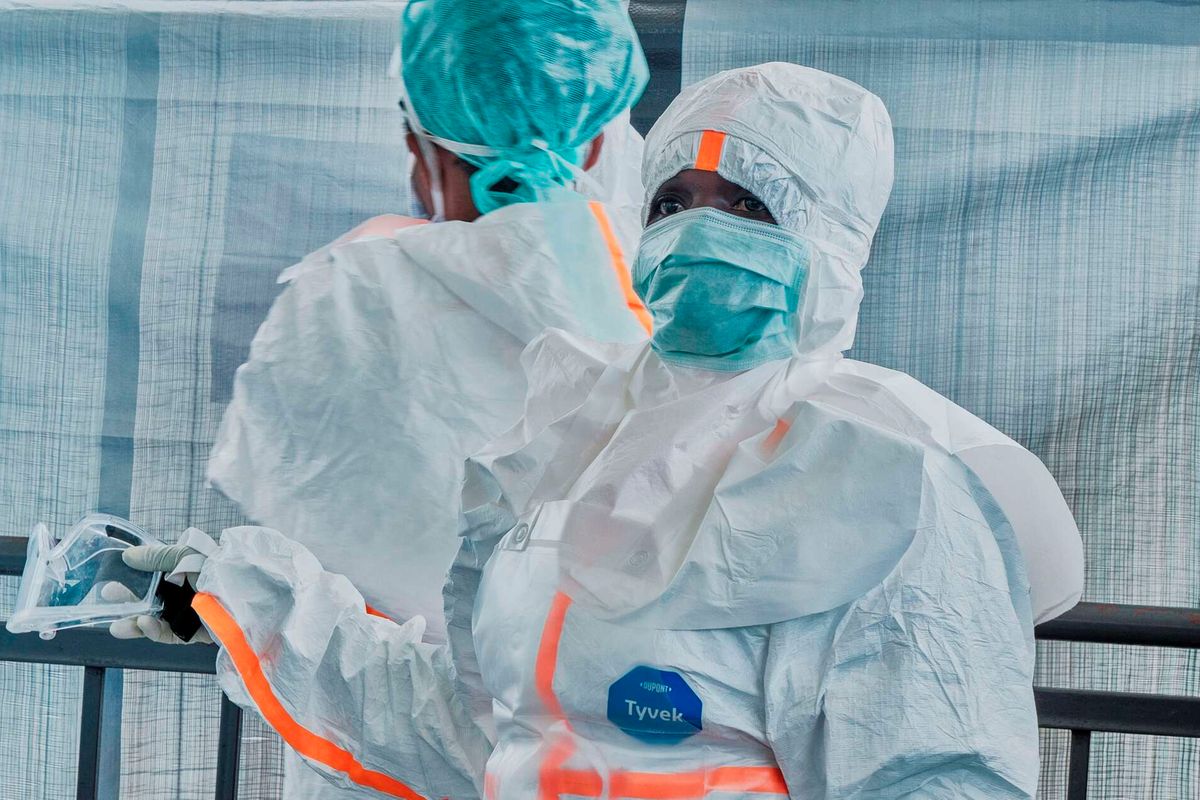
A Kenyan man infected with Ebola travelled from the Democratic Republic of the Congo through Uganda by public transport, flew from Entebbe to Nairobi, and reached Nairobi Hospital before his illness was identified. He died just 58 hours after landing.
This case highlights serious gaps in how Africa manages its borders, particularly in relation to health threats. While countries are vigilant about controlling the movement of people to prevent terrorism and illegal immigration, the defence against infectious diseases crossing borders remains inadequate.
Africa’s extensive land borders facilitate daily movement for work, trade, and family, through both official crossings and informal routes deeply woven into community life. This means that health strategies focused only on major entry points often leave dangerous blind spots. Effective border health systems must look beyond airports to transport networks, clinics, markets, and schools close to the borders.
Current health screening measures like yellow fever certificates and temperature checks have limitations. A temperature check may not detect an infection before symptoms appear, while questions on health declarations may not be clear or inviting. The effectiveness of border controls ultimately depends on the training and resources available to frontline workers and their ability to communicate effectively with local health facilities.
Sharing information swiftly between neighbouring countries is vital. A traveller remains infectious regardless of crossing borders, but often, public health systems halt at national lines, ignoring the danger.
The Covid-19 pandemic showed that African nations can take timely action when needed, implementing border controls and health checks. However, these measures were inconsistent and not sustainable long-term. The key takeaway is that the capacity forged during crises, such as trained personnel and effective laboratories, must not fade once the immediate threat has passed.
Debates around a proposed US-backed Ebola facility at Laikipia Air Base bring this issue into focus. The Kenyan government claims that this facility aims to enhance national public health capacity. However, questions remain about what real benefits this investment will provide to Kenyans and whether the facility will solely serve foreign personnel.
Increased temperature checks and health questionnaires at key entry points reflect a welcomed response, but they should not disguise years of weak health systems. Closing borders isn’t a viable solution, as it only drives people to unofficial routes and hampers trade and access to medical care.
For Africa to respond effectively to health threats, border management must be viewed as a public health priority alongside security. Regional bodies should establish standards for disease surveillance and data-sharing to ensure countries are prepared for outbreaks, not just reacting once they occur.
While it’s essential to safeguard against terrorism, it’s equally critical to recognise that safeguarding health cannot mean ignoring the spread of diseases. Kenya’s experience is a stark reminder that the focus needs to shift from merely restricting movement to ensuring robust surveillance against pathogens that can threaten public health.





