


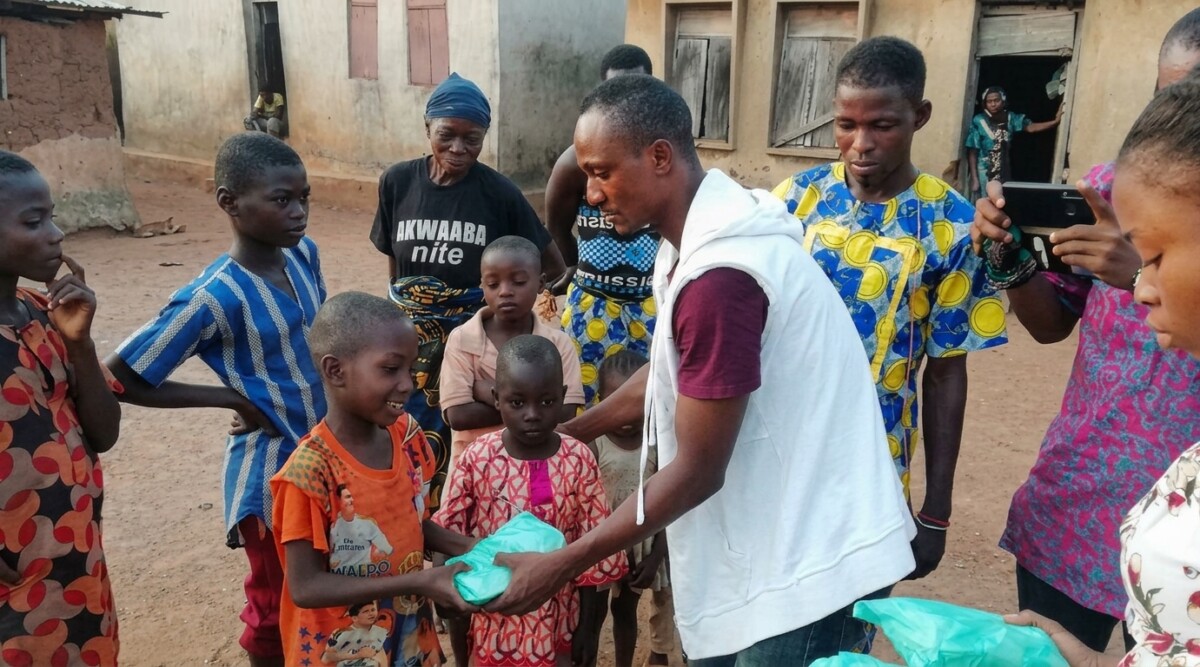
Every year, Sierra Leoneans both at home and abroad contribute financially and materially to support various causes, including schools, hospitals, and community development projects. In 2024, the country received $320.83 million in personal remittances, according to World Bank data. For many in the diaspora, donating is an important way to stay connected with their communities and assist those in need.
However, goodwill alone does not ensure that donations reach the intended recipients. Donors must verify who is collecting the money, how it will be used, and whether the promised outcomes are achievable.
1. Verify NGO Registration with MoPED
Donors should first confirm the legitimacy of the organisation seeking funds. In Sierra Leone, the Ministry of Planning and Economic Development (MoPED) oversees the registration and monitoring of NGOs. Under the National NGO Policy Framework 2023-2028, NGOs must meet specific operational and reporting standards. Donors can obtain an organisation’s registration certificate and contact details directly from MoPED’s online platform.
2. Request a Detailed Budget
A credible fundraising appeal should provide a clear budget outlining how the money will be used. For instance, if a group seeks NLe 50,000 to renovate a primary school, they should offer a detailed breakdown of costs, addressing whether the funds will cover the entire project or just a portion of it.
3. Assess Community Needs
Before committing funds, donors should ensure that the project’s objectives align with the community’s actual needs. Consulting with local leaders and intended beneficiaries can reveal whether their priorities have been considered.
4. Review Previous Projects and Finances
An organisation’s past work can indicate its reliability. Donors should ask for examples of previous projects, alongside financial reports and details on the beneficiaries. Photos can support claims but are not sufficient evidence on their own.
5. Be Cautious with Money Transfers
Community projects often collect donations via mobile money or bank transfers. Donors should ensure the receiving account is linked to the organisation and not an individual. For smaller initiatives without formal accounts, written acknowledgements and named overseers for the funds should be requested.
6. Watch for Warning Signs
Not all projects fail due to dishonesty, but certain warning signs should raise concern. These include refusal to clarify how the funds will be spent, inconsistent financial information, and emotional appeals using distressing imagery without proper context.
7. Establish Reporting Procedures
Donors should agree on how and when progress updates will be communicated before making significant contributions. Clear agreements regarding project objectives and budget handling are vital, especially when multiple contributors are involved.
8. Consider Post-Donation Management
Successful projects should provide ongoing benefits post-completion. Donors should inquire about future management and maintenance plans to ensure lasting impact.
What If You Suspect Misuse of Donations?
If discrepancies arise, donors should keep all relevant documents and seek an explanation from the organisation. If evidence suggests fraud, it may be necessary to report the issue to the police or relevant authority. Donors should avoid making public accusations without solid evidence.
Giving Back with Assurance
Charitable giving continues to play an essential role in addressing needs in Sierra Leone, from education to healthcare. Sierra Leoneans in the diaspora can strengthen their ties to their homeland through responsible donations. By verifying registration, reviewing plans, and engaging with the community, donors can make informed contributions that genuinely benefit those in need. Ultimately, the most impactful contributions are those that respect the dignity of recipients and create a lasting positive change.


