


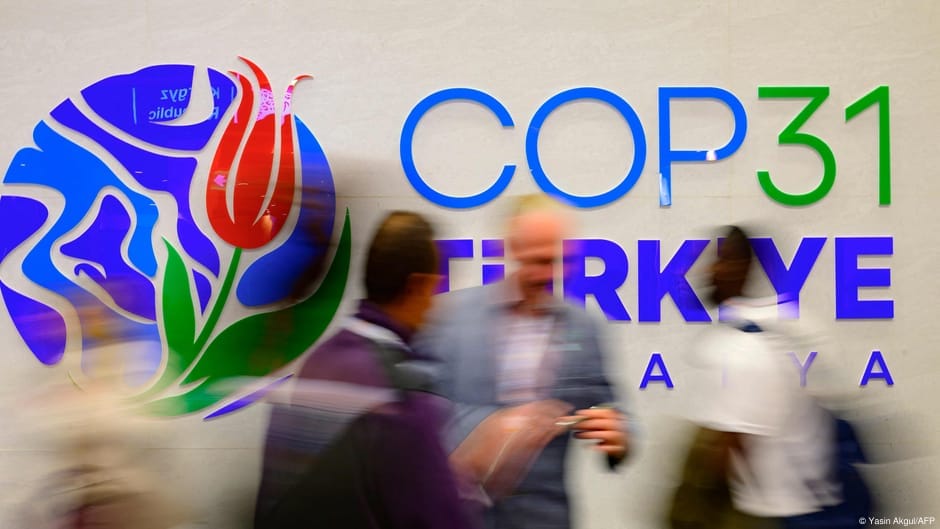
Delegates from nearly 200 countries have gathered in Antalya, Turkey, since November 9 to discuss strategies for tackling global warming and providing financial assistance to the world’s most vulnerable nations.
Once again, countries are deeply divided, making consensus difficult. At COP28 in Dubai three years ago, nations promised to shift away from fossil fuels, but failed to set specific targets or timelines. Oil and gas-producing countries have resisted efforts to revisit this topic in negotiations.
Last year’s COP30 in Brazil ended without any reference to fossil fuels, prompting some nations to seek solutions outside of the UN framework.
This year’s summit is overshadowed by rising living costs and the ongoing US-Israeli conflict with Iran, which have destabilised global energy markets and driven prices up. These issues have diverted attention from long-standing concerns about climate change and increasingly severe weather events exacerbated by this year’s record-breaking El Niño.
An initial draft of an agreement earlier in the week included a phase-out of fossil fuels. However, a new draft released on Thursday by Australia, co-hosting the summit, excluded any mention of gas, oil, and coal — the primary contributors to climate change. France’s Ecological Transition Minister Monique Barbut called this omission a “black mark.” Climate activists also denounced it as a “glaring regression.”
“You can’t solve a fossil fuel crisis by pretending we don’t need to phase out fossil fuels,” said Harjeet Singh of the Fill the Fund campaign. Mohamed Adow of Power Shift Africa added that the revised draft represented a step backward.
Despite these setbacks, Australia’s Climate Minister Chris Bowen, who is leading the discussions, stated, “We will be consulting and negotiating until we reach a clear consensus.”


