


West Africa’s Leaders Urged to Focus on Business Deals at Freetown Summit
During the West Africa Integration & Investment Summit in Freetown, leaders emphasised the need for concrete agreements rather than mere statements. Notably absent were many members of the West African diaspora, who are integral to the region’s integration narrative.
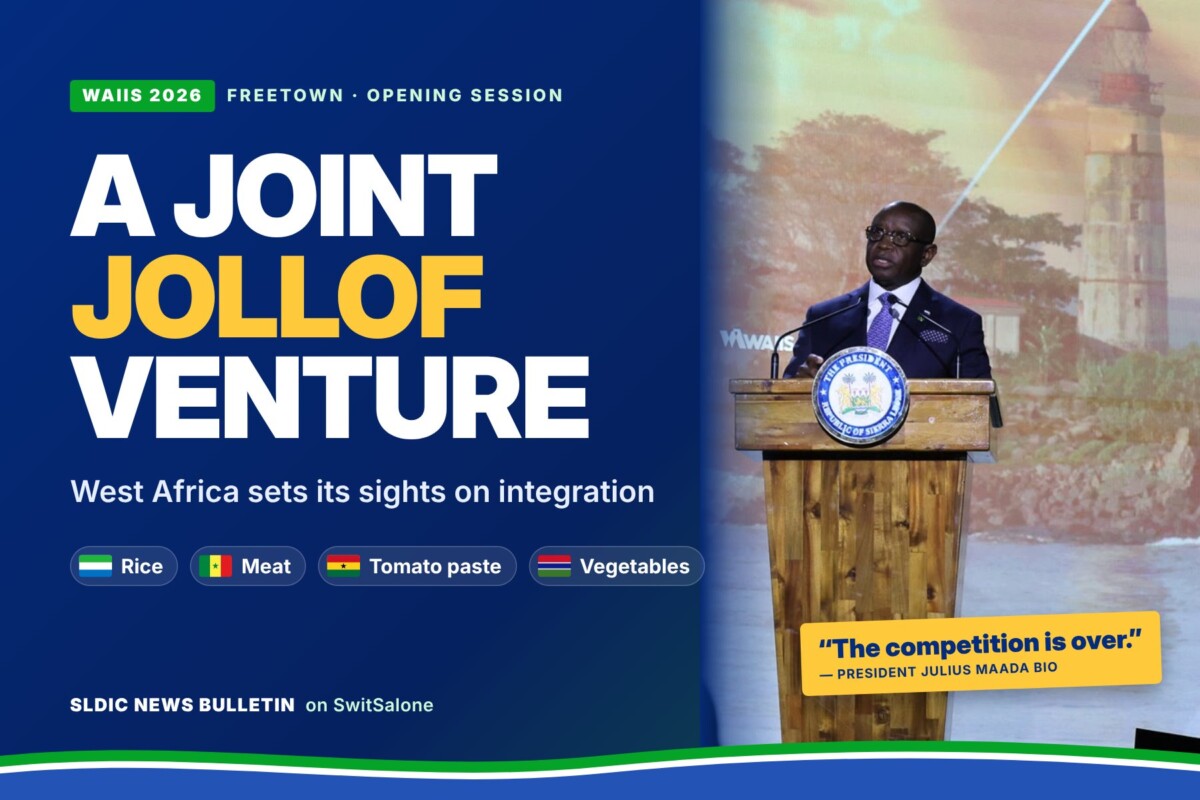
In a spirited keynote speech, President Julius Maada Bio reignited the longstanding debate over jollof rice, proclaiming Freetown’s version as the best. He suggested a collaborative approach to creating the dish, using rice from Sierra Leone, meat from Senegal, tomato paste from Ghana, and vegetables from The Gambia, illustrating the importance of regional cooperation.
Despite having a population of over 400 million and a wealth of projects worth more than $180 billion across various sectors, West Africa struggles with low intra-regional trade. Former Ghanaian President John Dramani Mahama highlighted that internal trade accounts for only 12-15%, a stark contrast to the EU’s 62.6%. Inadequate infrastructure and bureaucratic hurdles persist, making trade cumbersome.
Mahama stressed the need for effective regional policies and better access to resources, urging that West African minerals should benefit the continent’s locals. He also raised concerns about youth migration, linking it to limited opportunities at home.
Tony Elumelu, founder of the Tony Elumelu Foundation, echoed this sentiment, stating that investment—not proclamations—would drive integration. He advocated for creating opportunities for young people to prevent a brain drain.
Sir Idris Elba introduced the term “divate” to encompass the synergy of the diaspora and private sectors, highlighting the diaspora’s financial contributions. He noted that Sierra Leone could serve as a gateway for the diaspora to access regional markets, provided there are clear incentives for investment.
President Bio outlined a vision for a community of markets, focusing on key areas such as food security and energy. He called for a unified business registration process across ECOWAS, which could position Sierra Leone as a central hub for trade in the region.
The summit concluded with calls for action, with leaders urged to come prepared for deal-making the following day. Key issues to watch include the potential signing of projects and the implementation of Bio’s proposed single-window registration.
This report reflects the discussions from the summit’s opening session, utilising recordings and materials from the event.


