


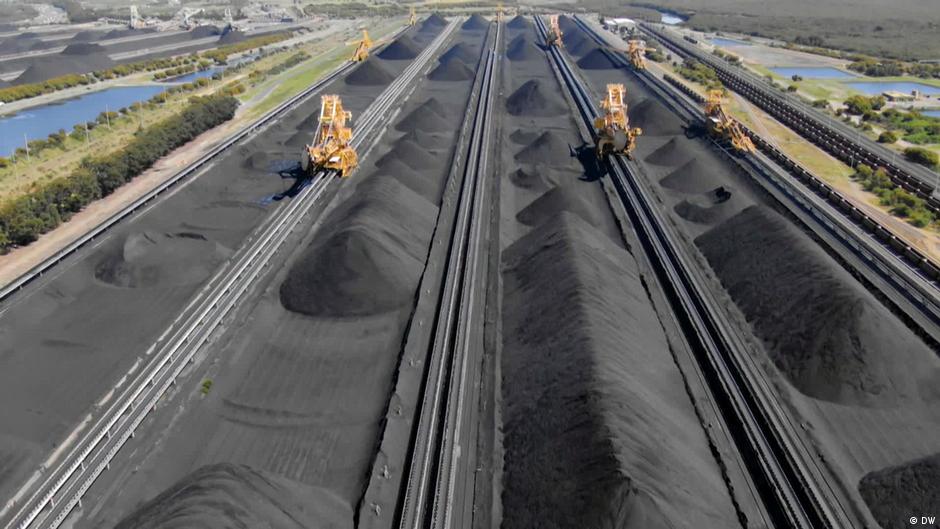
Australia, as the president of the upcoming UN climate talks in Turkey, faces increasing pressure to steer nations towards a collective commitment to reduce greenhouse gas emissions, primarily stemming from fossil fuel consumption.
The country has pledged to showcase its dedication to renewable energy, electrification, and diminishing reliance on coal, oil, and gas. Australian Climate Minister Chris Bowen stated in October, during a meeting in Fiji before the COP climate conference, that “renewable energy, grids, storage, and electrification are creating opportunities to strengthen resilience and improve energy security while reducing emissions.” He urged for faster implementation of these solutions.
However, Australia is the world’s third-largest exporter of fossil fuels, and unlike France and Germany, it has yet to announce a clear plan to phase them out. Critics argue that its vague promises of transitioning to cleaner energy are insufficient.
Environmental organisation 350.org highlighted that Australia hosts 56% of global coal mining projects currently planned. Andreas Sieber, the group’s political strategy head, has urged the nation to announce a coal phaseout date at the COP31 conference.
Melanie Pill, founder of the Climate Project, emphasised that ending fossil fuel production is essential not just for emissions reduction, but also to minimise dependence on unstable oil and gas markets. She pointed out that a fossil fuel phaseout is increasingly important amid ongoing conflicts affecting energy security, especially for Australia’s Pacific neighbours.
Australia’s role as lead negotiator at the UN climate talks presents an opportunity to advocate for energy security as a reason for a fossil fuel phaseout. However, the nation’s fossil fuel exports accounted for 80% of its carbon footprint in 2022.
While the country excels in rooftop solar energy and derives about half its electricity from renewables, this progress risks being overshadowed by ongoing approvals for additional fossil fuel exports. The government, led by Prime Minister Anthony Albanese, has green-lighted 38 coal, oil, and gas projects since taking office on a pro-climate platform. Critics argue that Australia cannot lead on climate action globally while neglecting domestic reforms.
Albanese previously justified a significant gas export project extension in Western Australia until 2070 as a balance between energy security and emission reduction. Australia’s public commitments towards phasing out fossil fuels are yet to match its resource policies.
Environmental advocates stress that Australia must make substantial funding commitments to aid Pacific nations in adapting to climate challenges and achieving energy independence. A report from Climate Analytics outlines a potential fossil fuel exit pathway starting now, suggesting an end to coal power by 2034 and a rapid shift to renewables, which could generate nearly all the country’s electricity by 2040.
“Australia has a golden opportunity to lead by committing to a fossil fuel phaseout,” said climate policy analysts.


