


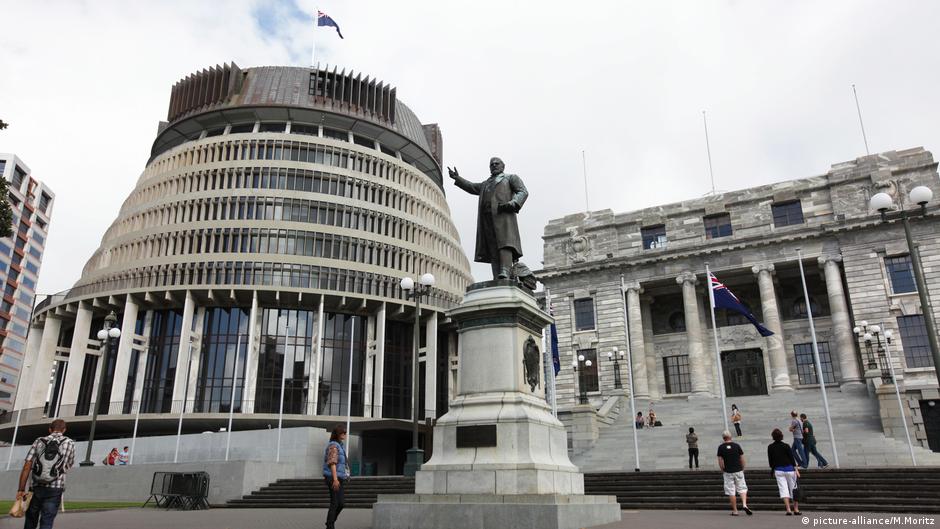
Voters in New Zealand cast their ballots on Saturday during a closely contested general election, with rising living costs and economic issues at the forefront.
By 9:44 p.m. local time (0844 GMT), results from over half of the votes counted showed the ruling National Party and the opposition Labour Party tied at 29%.
Voting commenced on October 26, and nearly 1.7 million of the 3.8 million eligible voters had cast their votes by Thursday, according to the electoral commission. Strict laws prevented any media reporting or political campaigning on the final voting day.
Final results are anticipated on November 27.
Prime Minister Christopher Luxon leads the National Party, while Chris Hipkins heads the Labour Party. A final opinion poll released on Friday showed Labour slightly ahead at 30%, making the election too close to predict a clear winner, with neither party expected to secure a governing majority.
The centrist Opportunity Party is also polling above 5%, which qualifies them for parliamentary seats without winning a constituency.
New Zealand uses a mixed-member proportional system requiring voters to choose both a party and a local candidate. The parliament typically has 120 seats, but this can increase due to overhang seats for parties with high national vote counts.
The election occurs amidst rising prices for essential goods and the highest unemployment rate in over a decade.


