


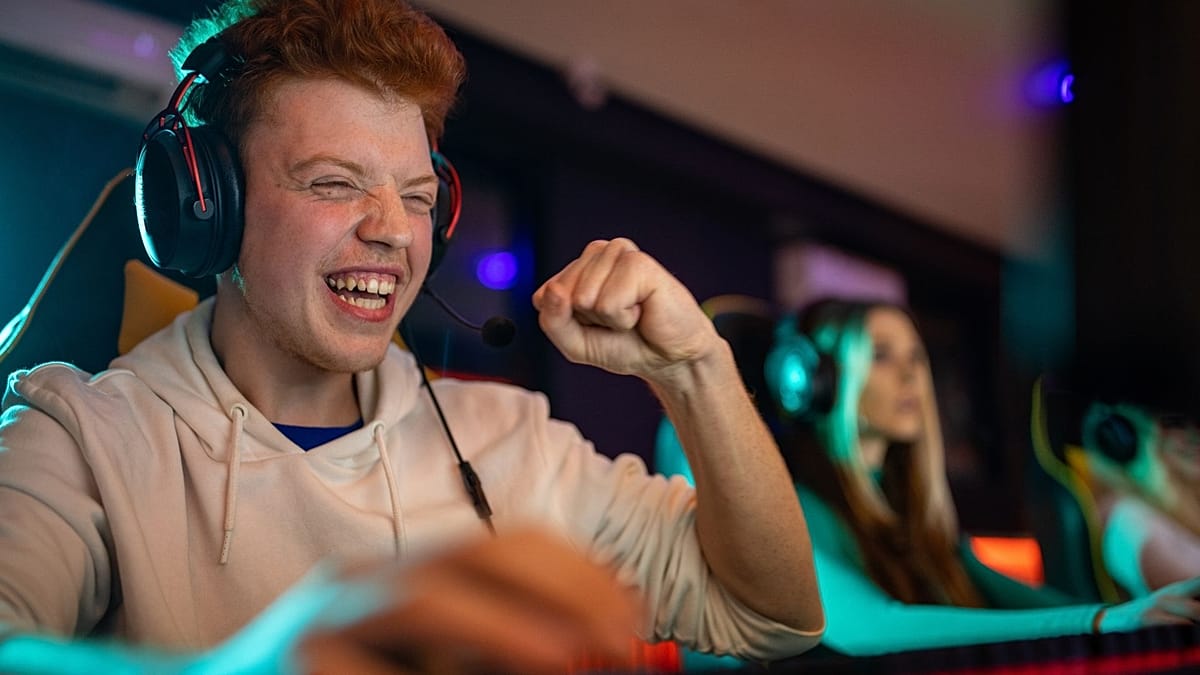
Children’s health and wellbeing are inadequately safeguarded in competitive gaming, warns a new report titled “Protecting Child Rights in Esports,” released by Save the Children on Tuesday. The report urges the rapidly expanding esports sector to prioritise children’s rights, as outlined in the United Nations Convention on the Rights of the Child (UNCRC), over competitive ambitions.
Around 300 million children globally engage in esports, facing risks such as disrupted sleep, physical ailments, sexism, anxiety, online harassment, and depression. The intense training required often limits their time for education, family, and social activities.
“Esports offers exciting opportunities for children, but participation must not compromise their rights, wellbeing, or development,” said Theo Toresson, a psychologist and gaming expert at Save the Children. He emphasized the need to view children first as children and then as competitors, advocating for their involvement in decision-making to ensure safe participation and healthy talent development.
The report emphasises the lack of common standards for healthy competition, highlighting concerns such as prolonged sitting, inadequate breaks, and training schedules that interfere with sleep and education. Poor posture during long gaming sessions can lead to neck, shoulder, and wrist pain, making ergonomic guidance essential.
Sleep patterns are also affected by late-night gaming and competitive pressures, which can impair cognitive function and overall mood. An anonymous representative from a national esports federation admitted there are no set guidelines on playtime or training methods, despite discussing topics like screen breaks and hydration based on various research findings.
There is some positivity in the report, noting that many professional esports players maintain satisfactory levels of physical activity, with those higher in ranking often prioritising fitness and healthy lifestyles.
However, the psychological demands of competition pose a significant challenge. The report states that the intense nature of esports, coupled with online toxicity, creates considerable mental health risks for young players. Factors such as sexism and harassment are prevalent in platforms like Twitch and YouTube, leading to stress, anxiety, and depression, exacerbated by the lack of adequate support.
Analysis of chatrooms during gameplay on Twitch revealed alarming statistics: 62% of streams contained sexist remarks, 37% included racist comments, and an overwhelming 97% featured violent language. While some esports federations provide mental health first-aid training for staff, such measures are not commonly implemented across the industry.
The report highlights the danger of young players being thrust into public roles without the necessary experience or support, alongside challenges such as unequal participation, economic exploitation, and inadequate supervision at live events.


