




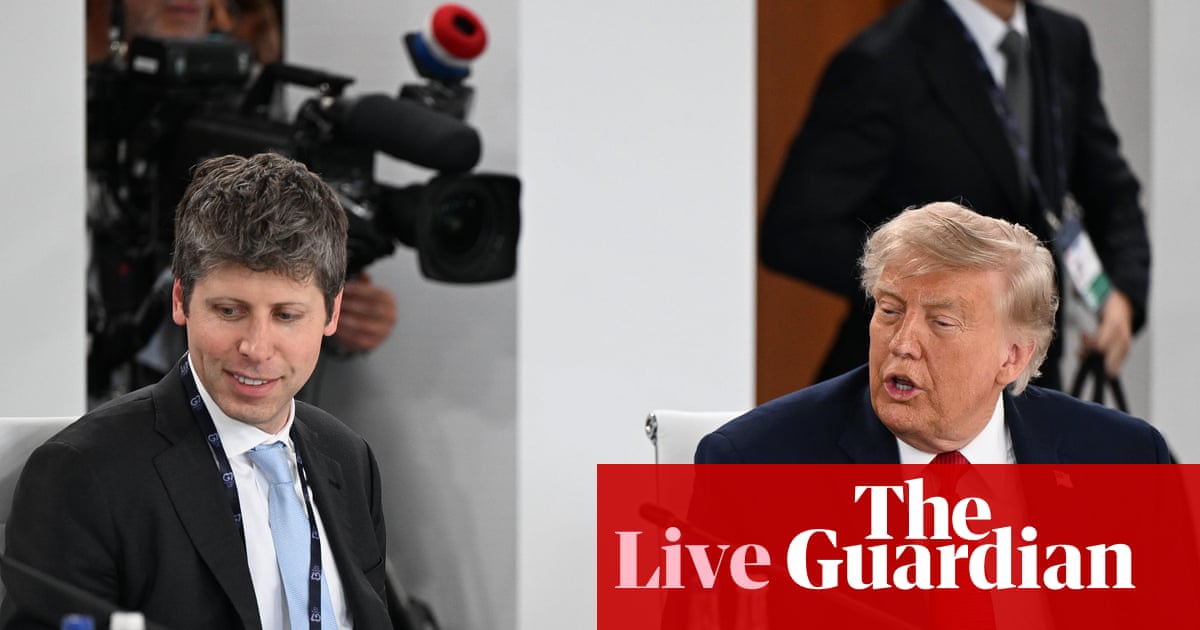
Trump Claims “Sick Conspiracy” Against AI Amid Calls for Regulation
Donald Trump has described growing calls for regulation of artificial intelligence (AI) companies as a “sick conspiracy” aimed at stifling innovation. He asserted that the only oversight needed for AI is strong leadership, which he believes the US currently has.
In a post on Truth Social, Trump declared, “The only control or ‘guardrails’ that AI needs is a STRONG AND SMART (High IQ!) PRESIDENT,” claiming that the administration has prevented AI leaders from causing harm. However, he provided no specific examples of how he has achieved this.
While speaking to reporters during a visit to Ireland, Trump emphasised the importance of AI for national security, stating, “Whoever wins AI wins.” His remarks followed criticism from Dario Amodei, the CEO of AI company Anthropic, who called for a slowdown in AI development to address public safety concerns after whistleblowers suggested the technology could pose a dire threat to humanity.
Trump accused Amodei of pretending to be “a ‘perfect little angel’” and insisted that the administration possesses significant authority over AI companies. He warned that a conspiracy exists against AI and data centres, suggesting that the only party benefitting from such a situation is China.
In related developments, leading tech companies, including OpenAI and SpaceX, have echoed calls for a more cautious approach to AI advancement, a sentiment that has triggered a decline in AI-related stocks.
Trump Reinforces $5,000 Pledge Amid Criticism
Donald Trump continues to promote his proposal of a $5,000 payment to every adult US citizen, known as the “Trump dividend,” if Republicans secure victory in the upcoming midterm elections. This pledge has drawn skepticism and accusations of bribery as questions linger over its legality amid rising national debt, which recently surpassed $40 trillion.
In a recent Truth Social post, Trump defended the dividend, claiming it would materialise despite opposition from Democrats, whom he dubbed “Dumocrats.” He compared this proposal to past accomplishments during his presidency, asserting that it will happen because “the People of our Country deserve it.”
Senate Republicans Update Cryptocurrency Bill Ahead of Vote
As key Senate Republicans prepare for a crucial vote tomorrow, they have released a revised draft of the Clarity Act, which aims to establish a regulatory framework for cryptocurrencies. This updated version is intended to address concerns from Democrats regarding ethics provisions and potential impacts on the banking sector.
Cynthia Lummis of Wyoming and her colleagues highlighted that the new draft includes 126 changes requested by Democrats. However, it remains uncertain whether the bill will secure enough support to pass a significant procedural vote.
The revised legislation includes measures aimed at increasing accountability for public officeholders profiting from crypto ventures, particularly targeting Trump’s World Liberty Financial, which has disclosed profits of $1.4 billion from crypto-related activities.
States Sue Over Restrictive Green Card Rule
A coalition of 24 states and the District of Columbia has sued the Trump administration over a proposed rule making it more difficult for adults to obtain green cards. Set to take effect shortly, this rule expands the definition of “public charge,” allowing officials to reject applications based on applicants’ potential reliance on public assistance.
Letitia James, New York’s attorney general, condemned the policy for fostering fear among immigrant families who may forgo vital public benefits due to potential adverse immigration outcomes.
Vance Assures Public Not to Fear AI Regulations
Speaking in Kansas City, Vice President JD Vance reassured Americans that they need not fear AI regulation. His comments aim to alleviate concerns following calls from tech industry leaders for moderating AI development. Vance emphasised that a collaborative approach between Congress and the administration would be the most effective way to implement regulations. He also expressed scepticism regarding AI companies advocating for increased government oversight, likening it to a “Trojan Horse.”


